

How To Choose The Right Coffee Storage In 2026
Coffee storage matters because the same beans can taste bright and syrupy one week, then flat and papery the next, depending on how they are kept. Oxygen, moisture, light, and heat push coffee past its peak by dulling aroma, flattening acidity, and changing the way solubles extract. For espresso, pour over, cold brew, and manual espresso makers alike, the right container is a simple but powerful way to protect cup quality without changing your grinder, brewer, or routine.
Quick Answer
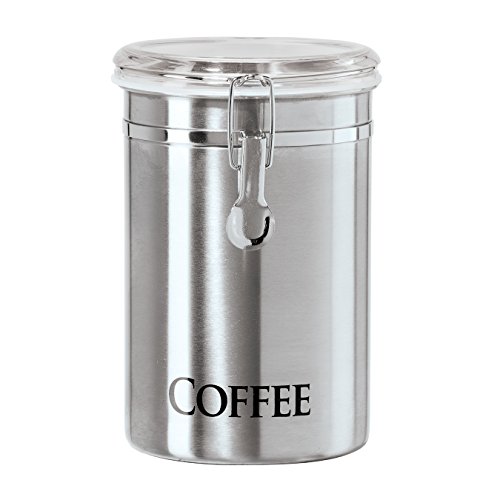
Choose an airtight, opaque container with a tight seal, ideally made of food-grade stainless steel or ceramic, and keep it in a cool, dark cabinet. If your beans are freshly roasted, a one-way valve can help release CO₂ while limiting oxygen exchange. Store whole beans rather than ground coffee when possible, label the container with roast date and origin, and buy smaller quantities so you use each batch near its peak.
Table of Contents
Our Top Picks
Affiliate disclosure: if you buy through these links, we may earn a commission at no extra cost to you.


Why Storage Changes Extraction
Coffee is not just a dry ingredient; it is a dynamic, aromatic material. Freshly roasted beans release carbon dioxide, and ground coffee exposes more surface area to oxygen, moisture, and light. That means volatile aromatics fade faster, acidity can feel less clean, and the cup can shift from lively and complex to muted or stale. In espresso, this often shows up as a thinner body, less sweetness, and a shot that tastes flat even when the dose, yield, and grind size look correct.
Whole beans resist staling longer than ground coffee because the bean structure helps preserve gas, oils, and flavor compounds. Once beans are ground, extraction becomes more dependent on time, humidity, and how quickly the grounds are used. For pour over gear, stale grounds can make the cup taste thin, papery, or inconsistently bitter. For cold brew equipment, the effect is slower but still noticeable: underdeveloped sweetness, a muddy mid-palate, or a final brew that lacks the clean finish you expect from a fresh batch.
Storage also affects how you dial in. A grinder can produce a consistent particle distribution, but if the beans have lost aroma or absorbed moisture, the shot may behave differently from the last time you used the same grind setting. A well-stored batch gives you a more predictable baseline, so changes in taste are more likely to come from your recipe or machine rather than from compromised coffee.
Materials and Seals That Matter
The best storage containers share a few practical traits: they are airtight, opaque or protected from light, and made from materials that do not add off-flavors. Stainless steel and ceramic canisters with tight seals are ideal for most home setups. Stainless steel is durable, easy to clean, and generally inert when food-grade, while ceramic offers a stable, non-metallic option that can look good on a counter without sacrificing performance if the lid seals well.
The seal matters as much as the material. A container with a rubber or silicone gasket, a screw-top lid, or a snap-lock closure is more likely to maintain an airtight environment than a simple friction-fit lid. For freshly roasted beans, a one-way valve can be useful because it allows CO₂ to escape while limiting oxygen from entering. That is especially helpful in the first few days after roast, when beans are still degassing and a fully sealed container can feel pressurized or cause the lid to release small bursts of gas.
Glass jars are not automatically wrong, but clear glass can expose beans to light, which can dull flavor over time. If you prefer glass, choose dark or amber glass, or store the jar in a cabinet where it is not exposed to direct light. Plastic containers and bags that allow gas exchange should generally be avoided for long-term storage, especially if they are thin, scented, or not designed for coffee. The goal is a clean, sealed, and stable environment that protects the coffee from the four main enemies: oxygen, moisture, light, and heat.
Choosing Storage by Brewing Method
For espresso machines and manual espresso makers, the priority is fresh whole beans stored in a way that supports repeatable dialing in. A one-way valve can be especially useful if you are using beans shortly after roast, because it helps manage CO₂ without letting oxygen in. Keep the container away from the heat of the machine, grinder, or steam wand, and avoid storing beans in a spot that gets warm from repeated use. A stable cabinet is usually better than a hot countertop next to an espresso machine.
For pour over gear, storage quality directly affects clarity and acidity. A well-stored batch will give you a more consistent extraction, with cleaner fruit, floral, or chocolate notes depending on the coffee. If you are using a manual grinder, store beans in a container that is easy to open without spilling, and keep the lid closed tightly after each use. If you are pre-grinding for convenience, use the grounds as soon as possible and store them in a small, airtight container rather than a large jar that holds more air.
Cold brew equipment benefits from the same principle: start with well-stored whole beans and grind just before brewing. Because cold brew often uses a larger amount of coffee over a longer extraction time, small differences in freshness can become more noticeable in the final flavor. For milk frothers and other coffee accessories, the storage connection is less about the beans and more about the environment: keep coffee containers away from steam, splashes, and high humidity, and make sure lids are fully closed before placing them near wet equipment. Clean, dry, and sealed storage protects both the coffee and the surrounding gear.
Labeling, Rotation, and Batch Size
Labeling is one of the easiest ways to improve storage without buying new equipment. Write the roast date, origin, and, if relevant, the date you opened the container. This helps you track freshness and choose the right beans for the right brew. A simple label can also prevent the common mistake of using an older bag because it is easier to reach, while a fresher batch sits unused in the back of the cabinet.
Batch size matters more than many home brewers realize. Buying smaller quantities more often supports peak flavor because the beans are used before they have time to lose aroma and complexity. For most home use, keeping beans in a stable cabinet and rotating stock first-in, first-out is a practical approach. If you have a favorite coffee, consider buying enough for one or two weeks of brewing rather than a large supply that may sit for a month. This is especially useful for espresso, where small changes in freshness can affect sweetness, body, and crema stability.
Temperature and humidity are also part of the storage decision. Building Start recommends storing coffee at room temperature between 15 and 22 °C with low humidity. That range is a useful target for most kitchens, especially if you can keep the container away from the stove, oven, dishwasher, or direct sunlight. A pantry, cabinet, or shelf in a cool part of the kitchen is usually better than a counter that bakes in the afternoon sun or sits next to a heat-producing appliance.
When to Freeze or Avoid the Fridge
For most home brewers, the refrigerator is not the best place for coffee. Refrigerators can introduce moisture and odors, and repeated temperature changes can create condensation inside the container. That is a problem for both whole beans and ground coffee, because moisture accelerates staling and can make the coffee taste dull, flat, or contaminated with other food aromas. If you live in a humid kitchen, a sealed container in a cool cabinet is usually a safer choice than the fridge.
Freezing can slow long-term aging if you need to store a larger amount of coffee, but it requires discipline. The beans should be fully cooled, sealed in an airtight container, and kept in portions small enough to use without repeated thawing and refreezing. Condensation during thawing is the main risk, so the container should remain sealed while it returns to room temperature. This approach is most useful for whole beans that will not be used for several weeks, not for daily ground coffee or beans that will be opened and closed many times.
If you are unsure whether to freeze, start with the simpler method: buy less, store in an airtight opaque container, and keep the coffee in a stable, cool place. That routine is easier to maintain and usually gives better results for espresso, pour over, and cold brew. Freezing is a tool for special circumstances, not a default solution for every bag of coffee.
Frequently Asked Questions
Can I store coffee in the original bag?
Short-term, yes, especially if the bag has a one-way valve and a resealable closure. After opening, transferring the coffee to a clean, sealed, opaque container is a better long-term option because it reduces air exposure and makes the storage environment more consistent.
Is a glass jar okay for coffee storage?
A glass jar can work if it has a tight seal and is kept out of direct light. Clear glass is less ideal because light can dull flavor over time. If you prefer glass, choose dark or amber glass, or store the jar in a cabinet where it is not exposed to sunlight.
Should I store ground coffee or whole beans?
Whole beans are the better choice when possible because they resist staling longer than ground coffee. If you store ground coffee, use a small airtight container and use the grounds as soon as possible, especially for espresso or pour over, where freshness has a bigger impact on aroma and extraction.
Do I need a one-way valve in my coffee container?
A one-way valve is most useful for freshly roasted beans that are still releasing CO₂. It helps the container manage gas pressure while limiting oxygen exchange. For older beans or pre-ground coffee, a tight airtight seal is usually the more important feature.
Can I put coffee in the freezer?
Yes, but only if you can keep it sealed and avoid repeated thawing cycles. Freezing can slow long-term aging, but condensation during thawing is a risk. For most home use, a stable cabinet and smaller purchase quantities are easier and often more effective.
How do I know when coffee has lost freshness?
Look for a flatter aroma, less sweetness, a duller acidity, or a cup that tastes papery or inconsistent compared with how it used to. If the same grind and recipe no longer taste as bright or complex, check the roast date, storage container, and how long the coffee has been exposed to air before changing your brew settings.
The right coffee storage in 2026 is not about complicated equipment; it is about protecting freshness with the right materials, seals, and habits. Choose an airtight, opaque container, keep it in a cool and dry place, label the roast date and origin, and buy smaller batches so your beans are used near their peak. Your next step is simple: audit your current storage, replace any loose or light-exposed container with a better-sealed option, and start tracking each batch so your espresso, pour over, and cold brew taste more consistent from the first cup to the last.


