

How To Choose The Right Coffee Grinders 2026
By Dana Espinoza
In the world of specialty coffee, the grinder is the unsung hero of extraction. While enthusiasts often obsess over the thermal stability of their espresso machines or the pour rate of their gooseneck kettles, the reality is that without a consistent particle distribution, even the most expensive gear will yield a muddy, unbalanced cup. Choosing the right grinder in 2026 isn't just about budget; it's about understanding the mechanical precision required to unlock the flavor profile of your beans, whether you're pulling a tight espresso shot or brewing a clean, fruity pour-over.
Quick Answer
To choose the right coffee grinder, prioritize burr material and motor torque for espresso, as grind consistency is equally or more important than the machine itself for extraction quality. For espresso, invest in precision grinders with stepless micro-adjustments and low retention, typically starting around $330-$600. For pour-over or French Press, you can prioritize size and value, selecting grinders that offer adequate uniformity without the extreme precision required for high-pressure brewing.
Table of Contents
- Quick Answer
- Our Top Picks
- The Extraction Imperative: Why the Grinder Matters Most
- Espresso Grinders: Precision, Power, and Adjustability
- Filter Coffee Grinders: Uniformity and Throughput
- Build Materials and Thermal Stability
- Understanding Price Tiers and Value
- Maintenance and Longevity
- Frequently Asked Questions
- Sources & References
Our Top Picks
Affiliate disclosure: if you buy through these links, we may earn a commission at no extra cost to you.


The Extraction Imperative: Why the Grinder Matters Most
As a coffee professional, I often see clients invest heavily in entry-level or mid-range espresso machines, such as the Gaggia Classic Pro ($449) or the Gaggia Brera ($459), while skimping on the grinder. This is a critical misallocation of resources. An espresso machine with a stable boiler and precise pump pressure is useless if the coffee bed is unevenly packed due to inconsistent particle size. The grind quality is equally, if not more, important than the espresso machine itself for determining the final coffee quality.
Inconsistent grounds lead to channeling in espresso, where water finds the path of least resistance, resulting in simultaneous under-extraction (sourness) and over-extraction (bitterness). For pour-over, uneven particles mean that fine dust over-extracts while coarse chunks under-extract, muddying the clarity of the cup. A high-quality grinder ensures that every particle extracts at the same rate, allowing the nuanced flavors of the bean to shine through.
Espresso Grinders: Precision, Power, and Adjustability
Espresso requires a fine, consistent grind and high pressure to extract flavors in 25-30 seconds. Therefore, espresso grinders demand high power and precision for fine adjustments. Look for grinders with stepless micro-adjustments, which allow you to make minute changes to the grind size without losing your place. This is crucial for dialing in different beans as they age or as humidity changes.
Motor power is also a key differentiator. Espresso grinders need to maintain a consistent RPM even under load to prevent heat buildup, which can alter the flavor profile. High-end grinders often feature direct-drive motors or geared motors that provide the torque necessary to crush beans finely without stalling. If you are considering a commercial setup, note that packages like the Simonelli Appia Life Compact Volumetric Espresso Machine paired with a Mazzer Grinder are designed to ensure compatibility and professional performance, though this increases the initial investment significantly.
Filter Coffee Grinders: Uniformity and Throughput
For pour-over, French Press, or cold brew equipment, the requirements shift. You don't need the extreme precision of an espresso grinder, but you do need uniformity. Filter coffee drinkers may prioritize size and price over extreme precision, as the longer brew times and larger water-to-coffee ratios are more forgiving of minor inconsistencies.
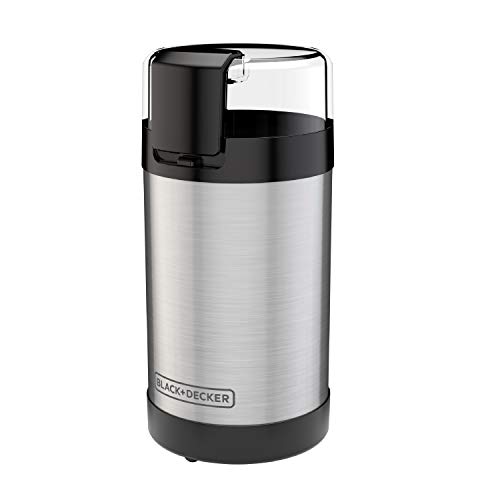
However, "forgiving" doesn't mean "any grinder will do." Blade grinders are the enemy of quality; they chop beans randomly, creating a mix of dust and boulders. For pour-over, a burr grinder with a larger burr diameter (e.g., 64mm or 74mm) will produce more uniform particles and grind faster, reducing agitation and heat. Brands like Fellow offer top-rated products like the Ode Brew Grinder ($299) that strike a balance between price and performance for home baristas.
Consider the throughput if you brew for multiple people. A grinder that takes three minutes to grind 20 grams of coffee for a single cup is frustrating. Look for models with large hoppers and efficient chute designs to minimize retention, ensuring you don't lose precious coffee to the old grounds stuck inside the mechanism.
Build Materials and Thermal Stability
The materials used in a grinder's construction directly impact its longevity and performance. Burrs are typically made from stainless steel or hardened steel. Stainless steel burrs are corrosion-resistant and easy to clean, while hardened steel burrs are extremely durable and maintain their sharpness longer. For espresso, hardened steel is often preferred due to the high friction and pressure involved.
The body of the grinder should be sturdy. Vibration is the enemy of consistency. A lightweight plastic body may vibrate excessively, leading to inconsistent grind sizes. Metal bodies or heavy-duty plastics with rubber feet help dampen vibration. Additionally, consider the thermal stability of the burrs. Some grinders generate heat during prolonged grinding, which can prematurely extract aromatics from the coffee. High-end grinders often feature cooling fins or designs that minimize heat transfer.
Understanding Price Tiers and Value
Price in the grinder market reflects engineering precision, material quality, and brand reputation. Entry-level grinders start around $99, but for serious coffee enthusiasts, the sweet spot begins at $330. Precision coffee grinders for home and commercial use are available starting at this price point, with specific models like the Eureka Mignon Specialita priced around $549-$643, offering professional-grade features for home use.
At the higher end, commercial-grade equipment packages, such as the La Marzocco GS3 AV (approximately $9,390) or the La Marzocco Profitec (starting around $5,400), are often paired with high-end grinders. These systems are designed for high-volume environments where consistency and speed are paramount. However, for home use, investing in a dedicated espresso grinder like the Eureka Mignon Specialita often yields better results than upgrading the machine itself.
When evaluating value, consider the total cost of ownership. A cheaper grinder may need burr replacements more frequently or lack the adjustability needed for different beans, leading to wasted coffee. Conversely, a high-quality grinder can last for years with proper maintenance, making it a worthwhile investment.
Maintenance and Longevity
No matter how expensive the grinder, it requires regular maintenance to perform optimally. Coffee oils and fine particles accumulate inside the grinder, affecting flavor and consistency. Regularly backflushing your grinder with specialized cleaning tablets or using a brush to remove grounds from the burrs and chute is essential.
For espresso grinders, purging is also important. Before dialing in, always purge the grinder to remove old grounds retained in the chute. This ensures that the dose you grind is fresh and consistent. Additionally, check the burrs periodically for wear. If you notice a change in grind quality or increased retention, it may be time to replace the burrs.
Storage is another factor. Keep your grinder in a cool, dry place away from direct sunlight. Humidity can cause coffee grounds to clump and affect the grinder's mechanism. If you live in a humid climate, consider using a dehumidifier in your coffee station.
Frequently Asked Questions
Is a grinder more important than an espresso machine?
Yes. The grind quality is equally, if not more, important than the espresso machine itself for determining the final coffee quality. A consistent grind is essential for proper extraction, regardless of the machine's capabilities.
What is the minimum budget for a good espresso grinder?
Precision coffee grinders for home and commercial use are available starting at $330. Models like the Eureka Mignon Specialita, priced around $549-$643, are highly regarded for their performance and durability.
Do I need a different grinder for pour-over and espresso?
While some grinders can handle both, dedicated espresso grinders offer the precision and fine adjustments needed for high-pressure brewing. Pour-over grinders prioritize uniformity and throughput, and may not achieve the extreme fineness required for espresso.
How often should I replace my grinder burrs?
Burr life depends on usage and bean type. Generally, burrs last for 500-1000 pounds of coffee. If you notice inconsistent grind size or increased retention, it may be time to replace them.
Are commercial packages worth the investment?
Commercial packages, such as the Simonelli Appia Life with Mazzer Grinder, ensure compatibility and professional performance but cost upwards of $6,500. For home use, investing in a high-quality standalone grinder and machine is often more cost-effective.
What accessories should I pair with my grinder?
Essential accessories include a scale for precise dosing, a distribution tool for even coffee beds, and a tamper for espresso. Brands like Hario, Fellow, and Acaia offer high-quality accessories starting at $9.99.
Choosing the right coffee grinder is a foundational decision that impacts every cup you brew. By prioritizing grind consistency, build quality, and appropriate precision for your brewing method, you ensure that your coffee investment pays off in flavor and satisfaction. Whether you're starting with an entry-level machine or building a commercial setup, remember that the grinder is the heart of your coffee station. Take the time to research, read reviews, and understand the technical specifications, and you'll be rewarded with exceptional coffee every day.


