

How To Choose The Right Coffee Storage Containers
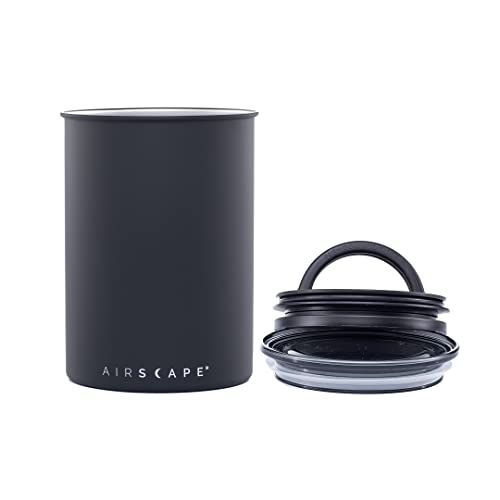
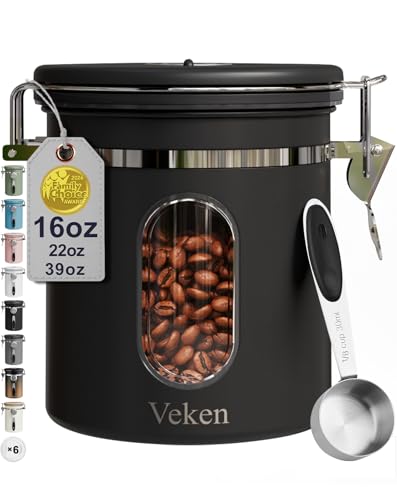
The integrity of your seal directly impacts extraction consistency when you're dialing in espresso weeks after storage. Look for containers featuring silicone gaskets or vacuum-sealed lids—these actively exclude oxygen rather than simply reducing airflow. Glass containers with metal lids outperform plastic alternatives because they don't absorb residual oils or emit compounds that migrate into your beans; premium options like borosilicate glass resist thermal shock when transitioning from coolers to outdoor entertaining setups.
Table of Contents
Our Top Picks
Affiliate disclosure: if you buy through these links, we may earn a commission at no extra cost to you.


Factors to Consider
Airtight Seal Quality and Oxygen Barrier Materials
Opacity and UV Protection for Volatile Compound Preservation
Direct sunlight degrades the polyphenols and lipids responsible for that bright, complex flavor you're chasing in your pour-over or manual espresso maker. Opaque or tinted containers—particularly those with UV-blocking coatings—preserve the nuanced grind consistency you've dialed in, preventing premature staling that flattens shot body and crema structure. Even low-light storage extends your beans' peak window by 2-3 weeks compared to transparent alternatives, a critical advantage for summer entertaining where freshness defines extraction quality.
Capacity Sizing and Portability for Travel Scenarios
Match container volume to your grinder's hopper capacity and your travel duration; oversized containers introduce excess headspace that accelerates oxidation, while undersized ones force multiple transfers that degrade whole-bean integrity. For portable setups combining a manual espresso maker or small grinder with cold brew equipment, modular containers (250-500ml) stack efficiently in travel bags without sacrificing the airtight seal. Consider weight and material durability—stainless steel adds negligible mass but dramatically improves resistance to denting during transit to outdoor entertaining venues.
Temperature Stability and Insulation Properties
Summer heat accelerates CO₂ off-gassing and rancidification; containers with thermal buffering properties maintain cooler bean temperatures even in direct sun. Double-wall or vacuum-insulated storage options preserve the volatile aromatics essential for bright, balanced espresso shots and the delicate top notes in filter coffee applications. This becomes non-negotiable when entertaining outdoors where ambient temperatures can spike 15-20°F above interior conditions, directly impacting your grind-to-extraction performance window.
Ease of Measurement and Dose Consistency
Storage containers with graduated markings or standardized volumes streamline your workflow from storage to grinder to portafilter, reducing dialing-in iterations when switching between manual espresso makers and pour-over methods. Containers featuring wide mouths and smooth interior surfaces minimize static cling and channeling—both culprits in inconsistent dose weights that sabotage shot quality and crema development. Look for designs that integrate with your specific milk frother or cold brew equipment; purposeful compatibility eliminates transfer steps that compromise bean freshness.
Frequently Asked Questions
How long can I store coffee beans in sealed containers during summer?
Properly sealed containers in cool, dark conditions extend peak freshness to 3-4 weeks post-roast, though optimal espresso extraction window closes around 2-3 weeks as CO₂ stabilizes. Summer heat accelerates this timeline by 5-7 days, so prioritize UV-blocking, thermally insulated options if storing outdoors or in warm vehicles. For travel, consume within 1-2 weeks of packing to maintain the crisp acidity and complex body that defines quality shots.
Can I store pre-ground coffee in travel containers?
Pre-ground coffee stales dramatically faster than whole beans—typically losing 60% of volatile aromatics within 24 hours—so grinding at destination consistently outperforms pre-grinding for both espresso and pour-over quality. If travel constraints demand pre-grinding, use vacuum-sealed containers and consume within 8-12 hours; the flat, muted flavors in day-old grounds become impossible to rescue even with precision dialing. For entertaining outdoors, hand-grinding fresh beans on-site transforms the ritual and dramatically elevates extraction results.
What's the best material for outdoor entertaining storage—glass, stainless steel, or ceramic?
Borosilicate glass with metal lids offers superior oxygen barrier properties and doesn't absorb residual oils, but stainless steel provides better thermal stability and durability during transport to outdoor venues. Ceramic options deliver excellent insulation but risk breakage; for entertaining, dual-layer stainless steel combines lightweight portability with reliable temperature buffering and airtight sealing. Choose based on your commute method and whether you're storing pre-entertaining or dialing in fresh beans on-site.
How do I prevent static cling and clumping in storage containers?
Static accumulates in plastic containers and low-humidity environments, causing beans to stick to walls and reducing grind consistency—switch to glass or stainless steel with smooth, non-electrostatic interiors. Store containers in naturally humid conditions when possible, and avoid opening sealed containers repeatedly, which introduces moisture fluctuations that encourage clumping and channeling during espresso extraction. For travel, include a small silica packet to maintain 50-60% relative humidity, the sweet spot for grind uniformity.
Will storing beans in the refrigerator or freezer help during summer travel?
Freezing whole beans extends freshness considerably but introduces condensation risk during temperature transitions—only viable if you vacuum-seal in individual portions and thaw completely before opening to prevent moisture absorption. Refrigeration offers minimal benefit over room-temperature storage in airtight containers and actually encourages moisture ingress from repeated door openings; your energy is better spent on opaque, UV-blocking containers. For summer entertaining, prioritize insulated storage that maintains 55-65°F rather than relying on appliance solutions.
What size container should I use for a portable manual espresso maker setup?
A 250-350ml capacity aligns with typical manual espresso maker basket volumes (8-10g doses) while keeping headspace minimal for oxygen exclusion during multi-day travel. This size pairs perfectly with compact hand grinders and fits snugly in backpacks without adding bulk; overfilling larger containers compromises seal integrity and accelerates staling. For outdoor entertaining where you're brewing multiple rounds, use two smaller containers rather than one large one to maintain freshness across service hours.
How do I clean and maintain coffee storage containers?
Rinse thoroughly with hot water immediately after emptying—dried oils become rancid and impart off-flavors to fresh beans—then dry completely before sealing to prevent mold and moisture accumulation. For stainless steel or glass, occasional vinegar rinses dissolve mineral deposits; never use abrasive scrubbers that compromise gasket surfaces or create microscopic cracks. Store gaskets separately in a cool, dry location between uses to extend elasticity and maintain seal pressure over multiple seasons of travel and outdoor entertaining.
Conclusion
Selecting the right storage container transforms your summer travel and outdoor entertaining from logistical challenge into seamless coffee experience—prioritize airtight seals, UV protection, and thermal stability to preserve the grind consistency and extraction clarity your espresso machine or manual brewer demands.
We recommend investing in a quality vacuum-sealed, UV-blocking stainless steel container in the 300-500ml range; the modest upfront cost pays dividends in shot quality, dialing-in efficiency, and the confidence that your beans remain fresh whether you're entertaining at home or grinding fresh at a destination location.


