

How to Choose the Right Coffee
⚡ Quick Answer
Selecting the perfect coffee isn't just about picking a favorite roast—it's about aligning your brewing equipment, grind size, and coffee type to achieve that hallmark balance of sweetness, acidity, and body. When you understand how each element influences extraction and flavor, you'll unlock the full potential of your brewing setup, whether you’re pulling silky espresso shots or savoring vibrant pour-overs.
Table of Contents
This guide will walk you through the critical factors in choosing the right coffee for your brewing style, emphasizing grind consistency, extraction quality, equipment build, and value. With the right knowledge, you'll craft coffees that stimulate the senses and elevate your daily ritual.
Our Top Picks in Detail
Affiliate disclosure: if you buy through these links, we may earn a commission at no extra cost to you.
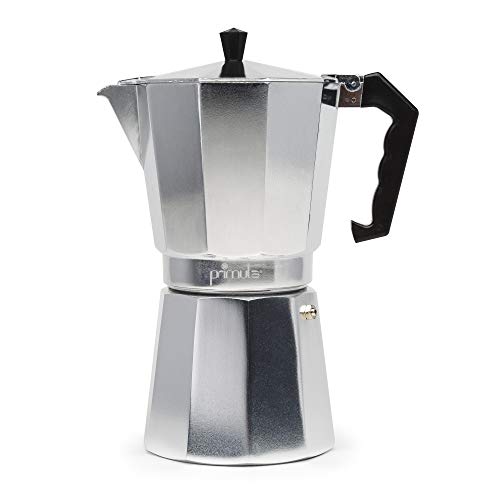
Primula Classic Stovetop Espresso and Coffee Maker, Moka Pot for Italian and Cuban Café Brewing, Greca Coffee Maker, Cafeteras, 12 Espresso Cups, Silver
$34.38Check Price →This is the pick to look at first if you want a reliable, well-rounded option that handles everyday use without unnecessary compromises. Primula Classic Stovetop Espresso and Coffee Maker, Moka Pot for Italian and Cuban Café Brewing, Greca Coffee Maker, Cafeteras, 12 Espresso Cups, Silver delivers solid performance across the features that matter most in this category.

Primula Classic Stovetop Espresso and Coffee Maker, Moka Pot for Italian and Cuban Café Brewing, Greca Coffee Maker, Cafeteras, 6 Espresso Cups, Blue
$24.99Check Price →If the top pick doesn't quite fit your situation, Primula Classic Stovetop Espresso and Coffee Maker, Moka Pot for Italian and Cuban Café Brewing, Greca Coffee Maker, Cafeteras, 6 Espresso Cups, Blue is worth a close look as a capable alternative that still covers the essentials well.

Primula Classic Stovetop Espresso and Coffee Maker, Moka Pot for Italian and Cuban Café Brewing, Greca Coffee Maker, Cafeteras, 6 Espresso Cups, Silver
$19.99Check Price →For buyers who want the most for their money without sacrificing the features that actually matter, Primula Classic Stovetop Espresso and Coffee Maker, Moka Pot for Italian and Cuban Café Brewing, Greca Coffee Maker, Cafeteras, 6 Espresso Cups, Silver is the practical choice at this price point.
Understanding Coffee Varieties and Roasts
The foundation of a great coffee experience begins with choosing the right beans. Coffee varieties—Arabica versus Robusta—bring different flavor profiles, acidity levels, and body characteristics. Arabica beans tend to offer a nuanced, floral, and complex cup, suited for nuanced brewing methods like pour over or espresso. Robusta, with its higher caffeine content and bold, earthy tone, often lends itself well to espresso blends for added crema and body.
The roast degree significantly influences flavor and extraction. Light roasts preserve vibrant acidity and intricate floral notes, allowing the beans’ origin characteristics to shine through. Medium roasts balance brightness with a caramel sweetness, while dark roasts develop a roasted, smoky profile with less acidity. Choose your roast based on your preferred flavor profile and brewing method — espresso lovers might favor medium to dark, while filter drinkers often prefer light to medium roasts.
Matching Coffee to Your Brewing Method
Your brewing method determines the ideal coffee beans and grind size. For espresso machines and manual lever espresso makers, you'll need a fine, consistent grind—almost powdery but not so fine it compacts strictly. Consistency in grind size ensures uniform extraction, which directly impacts shot clarity, sweetness, and crema quality.
Pour over and drip methods benefit from medium grind resembling sea salt—coarser than espresso but finer than French press. Cold brew requires coarser grounds to allow extended steeping without over-extraction, producing a smooth, chocolatey cup with low acidity. Each method emphasizes different aspects of coffee, so matching the bean type and grind size optimizes flavor extraction.
Practical Tip: Invest in a high-quality burr grinder. Its ability to produce uniform grounds is key for consistent extraction, especially in espresso brewing where even minor grind inconsistencies can lead to sour or bitter shots.
Evaluating Freshness and Storage
Freshness is arguably the most critical factor in achieving flavorful coffee. Beans start to oxidize and lose volatile aromatics within weeks of roasting, so aim to buy from roasters who ship fresh—ideally within a week of roast date. Aroma and bright acidity fade with time, leading to dull, flat flavors.
Proper storage extends freshness. Keep beans in an airtight, opaque container away from light, heat, and moisture. A dedicated coffee storage canister with a one-way valve helps preserve aroma by releasing built-up gases without letting oxygen in. Avoid storing beans in the fridge or freezer for daily use—condensation can compromise quality.
Grind Size, Consistency, and Dialing In
Grind size directly impacts extraction and flavor clarity. An inconsistent grind causes uneven extraction—over-extracting some grounds while under-extracting others—resulting in bitter or sour notes. A burr grinder with adjustable settings ensures uniform grounds, which is especially crucial for espresso, where tiny differences can change flavor dramatically.
Dialing in your grind involves a process of incremental adjustments and tasting—start with a recommended setting for your method, then tweak as needed. For espresso, aim for a shot time of around 25-30 seconds, with a balanced, syrupy flow and a rich golden crema. For pour over, look for a steady, controlled extraction that highlights brightness and clarity of flavor.
Tasting and Adjusting for Best Flavor
The final step is tasting—your daily feedback loop. When evaluating your brew, pay attention to aroma, body, acidity, sweetness, and aftertaste. A well-extracted shot should be balanced, with a harmonious combination of sweetness and acidity and a clean finish. If the shot tastes sour or bitter, adjust your grind size, dose, or brew time accordingly.
Small changes make big differences. For espresso, slight adjustments to tamping pressure or grind size can transform a flat shot into a vibrant, layered experience. For pour-over, changing the pouring speed or water temperature can bring out particular flavor notes.
Practical Tip: Use sensory cues to guide adjustments: a glossy, honey-colored crema indicates proper extraction; a dull shot suggests under-extraction, while overly bitter brews point to over-extraction.
Frequently Asked Questions
How do I know if my beans are fresh?
Check for a roast date on the bag—prefer beans roasted within the last 2-4 weeks. Fresh beans smell vibrant, have a uniform shine, and release a rich aroma when ground.
What grind size should I use for my espresso machine?
Use a fine, consistent grind similar to powdered sugar, but adjust as needed based on shot flow and taste. Proper dialing in ensures a balanced, syrupy shot with thick crema.
Can I store coffee beans in the freezer?
Yes, but only if stored properly—use airtight containers and only freeze small amounts you plan to use soon. Avoid frequent thawing and refreezing, as condensation can damage flavor.
What’s the best way to improve grind consistency?
Invest in a high-quality burr grinder with stepless adjustments. Regularly calibrate and clean your grinder to maintain uniformity and optimal performance.
How does roast level affect brewing?
Light roasts preserve origin flavors and acidity, ideal for pour-overs. Dark roasts are better suited for espresso, offering boldness and richness. Match roast level to your preferred brewing method for best results.
What are signs of over- or under-extraction?
Over-extraction yields a bitter, overly bold cup with dull flavors; under-extraction results in sour, weak, and acidic profiles. Fine-tune grind size, brew time, and dose to achieve balance.
Choosing the right coffee is both an art and a science—a careful balance of beans, grind, freshness, and technique. By understanding these core principles, you'll be well on your way to brewing coffee that delights every time. Start experimenting today, and enjoy the journey to your perfect cup!


