

How To Choose The Right Coffee Grinders In 2026
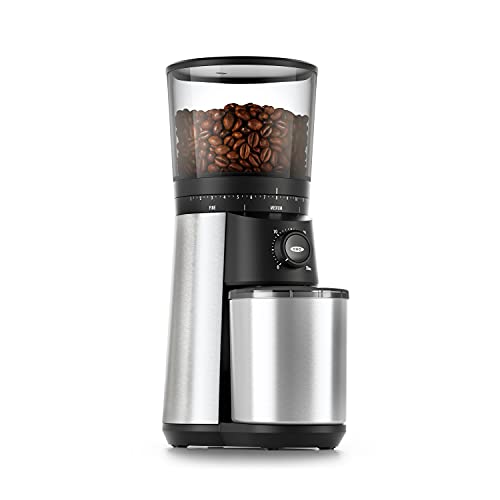
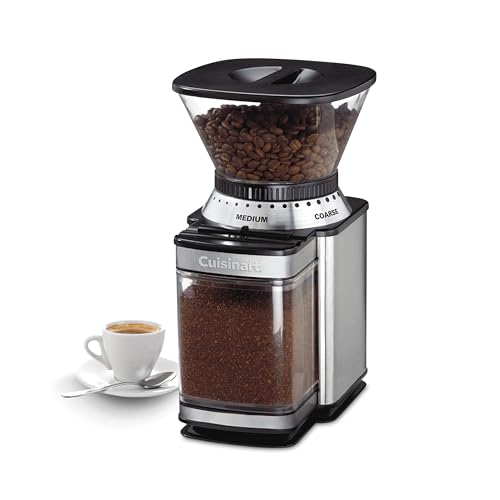
When selecting a coffee grinder, consider the primary design types: blade and burr. Blade grinders use spinning blades to chop beans, which can result in inconsistent particle sizes. Burr grinders crush beans between abrasive surfaces to produce more consistent particles. Within the burr category, options include manual grinders for portability or electric models for higher volume. Choosing between these models depends on whether you prioritize price, consistency, or ease of use for your specific brewing needs.
Quick Answer
When choosing a coffee grinder, consider the primary mechanism and intended use. Blade grinders offer a lower price point for casual filter coffee but may produce inconsistent particle sizes. Burr grinders, available in electric or manual designs, crush beans to produce more consistent particles for various brewing methods. Electric models may handle higher daily volumes, while manual grinders are compact and travel-friendly. Selecting the right type helps manage grind consistency, which affects extraction and flavor.
Table of Contents
Our Top Picks
Affiliate disclosure: if you buy through these links, we may earn a commission at no extra cost to you.

Understanding Grind Size and Extraction
The relationship between grind size and extraction is a fundamental aspect of coffee preparation because particle size dictates the speed at which water pulls soluble compounds from the coffee grounds. When the grind is too fine, the extraction process may occur too quickly, leading to over-extraction. This can result in a cup that tastes bitter. Conversely, if the grind is too coarse, the water may not pull enough flavor from the beans, causing under-extraction. This often leaves the brewed coffee tasting thin or sour. To achieve the desired flavor profile, one may need to match the specific grind size to the chosen brewing method. This alignment can help to keep the extraction within the intended window, ensuring the balance of flavors is correct. Because the size of the particles directly controls how fast water extracts flavor, the grind size essentially shapes the final profile of the coffee in the cup. Understanding that particle size regulates the rate of flavor release allows for more precise control over the brewing process. By managing the coarseness or fineness of the grounds, you can influence whether the resulting coffee leans toward bitterness or acidity, making the adjustment of grind size a key factor in managing extraction.
Comparing Grinder Types for Consistency
When comparing grinder types for consistency, the primary distinction lies between blade grinders and burr grinders. Blade grinders utilize spinning blades to chop coffee beans into smaller pieces. This chopping process often results in inconsistent particle sizes, meaning the coffee grounds may be unevenly distributed. Additionally, the friction created during this process can generate heat, which might affect the flavor of the coffee. While these models may work for casual filter coffee, they typically fall short for espresso due to this lack of uniformity. In contrast, burr grinders crush beans between two abrasive surfaces to produce consistent particle sizes. This level of uniformity is beneficial for espresso and other brewing methods that are sensitive to grind uniformity. Within the category of burr grinders, designs include both flat and conical burr models. These options generally provide higher precision and flavor clarity compared to blade models. Because they produce more uniform particles, burr grinders allow for more repeatable extraction quality across various brewing methods. Choosing between these types involves weighing the trade-off between the chopping mechanism of a blade grinder and the crushing mechanism of a burr grinder to manage particle size distribution.
Matching Grind Size to Brewing Methods
Different brewing methods require specific particle size ranges to achieve desired results. For those preparing Turkish coffee, a powder-fine grind between 50 and 150 micrometers is used. Espresso typically requires a fine grind ranging from 200 to 400 micrometers. For the Moka Pot, a fine-to-medium grind between 300 and 500 micrometers is appropriate, while pour-over methods utilize a medium grind of 400 to 600 micrometers. Drip coffee brewing calls for a medium-coarse grind between 500 and 700 micrometers. For the French Press, a coarse grind of 800 to 1000 micrometers is used, and cold brew requires a very coarse grind between 1000 and 1500 micrometers. When selecting settings, understanding the role of fines is important. In espresso preparation, a specific percentage of fines—typically between 15% and 20%—can aid in puck integrity. Conversely, filter-based brewing methods often prefer minimal fines to prevent clogging or over-extraction. Because different grinders produce different particle distributions, users may need to adjust settings to match these target ranges. Maintaining these specific size ranges helps ensure that the coffee bed extracts evenly and produces predictable brew times.
How to Dial in Your Grind Settings
To dial in grind settings, begin with the recommended grind size for your specific brewing method. The process involves making small, incremental adjustments and testing the results to reach the desired flavor profile. If the brewed coffee tastes bitter, you might consider adjusting the grind to be coarser. Conversely, if the coffee tastes sour, you may need to adjust the grind to be finer. Because different beans extract in different ways, you may need to make adjustments when switching between bean varieties or changing brew times. Small changes can have a significant impact on the final cup. When using different adjustment systems, such as stepped grinders with fixed settings or stepless grinders that allow for infinite adjustment, precision is key to achieving consistency. While having many settings is available on some models, the ability to produce uniform particles is often more important for successful results. Using the wrong grind size for a specific brew method is a common issue, so matching the size to the intended extraction is essential. By testing one variable at a time through these small adjustments, you can better control the strength and flavor of your coffee.
Best Practices for Freshness and Maintenance
To maintain freshness, it may be useful to grind whole beans immediately before brewing. Because oxidation causes coffee to lose its aroma and flavor as soon as the beans are cut, pre-ground coffee may already be stale by the time it reaches a brewer. Grinding right before use may allow for better control over the process compared to using pre-ground coffee, which is often prepared specifically for drip methods. Regarding maintenance, regular cleaning may be useful because old coffee oils and fines can accumulate within the equipment. Over time, these substances may go rancid, which could introduce stale notes into every brew. It is also important to consider flavor transfer if the grinder has been used for spices, as this can affect the taste of the coffee. For proper maintenance and to ensure safety, users should refer to their specific model manual for instructions regarding disassembly and electrical safety. Maintaining a clean grinder helps prevent the buildup of old residues that impact the quality of the coffee. By following these principles of timing and cleanliness, you can better manage the flavor profiles of your coffee. Always ensure that you are following the specific safety protocols provided by your manufacturer when performing any maintenance tasks.
Frequently Asked Questions
How does grind size affect the extraction process?
Grind size controls how water interacts with coffee by managing extraction time. Smaller particles increase surface area, which slows water flow and increases extraction, potentially resulting in bitter flavors. Conversely, larger particles speed up water flow and reduce extraction, which may lead to weak or sour coffee. Matching the grind size to the specific brew method is essential for proper extraction.
What is the difference between blade and burr grinders?
Blade grinders use spinning blades to chop beans, which can result in inconsistent particle sizes and heat that alters flavor. In contrast, burr grinders crush beans between two abrasive surfaces to produce consistent particles. This precision makes burr grinders better for espresso and methods sensitive to grind uniformity, whereas blade grinders are often used for casual filter coffee.
How can I tell if my coffee is over-extracted or under-extracted?
If your coffee tastes bitter, the grind may be too fine, leading to over-extraction. Conversely, if the coffee tastes sour or weak, the grind might be too coarse, resulting in under-extraction. You can identify these issues by observing if the coffee brews too slowly or too quickly.
Why is it important to grind coffee right before brewing?
Grinding coffee right before brewing is important because beans begin losing aroma and flavor through oxidation the moment they are cut open. Using freshly ground coffee helps prevent the flavor from becoming stale. This practice ensures you maintain the quality of the beans and preserve the aroma intended for your brew.
How does grind uniformity impact flavor?
Achieving grind uniformity can lead to cleaner, clearer flavor. Maintaining a narrow particle size range helps ensure even extraction across the coffee bed and more predictable brew times. Additionally, consistent particle distribution can result in more repeatable results during the brewing process.
To choose a grinder, consider the primary differences between blade and burr models. Blade grinders use spinning blades to chop beans, which can result in inconsistent particle sizes. Alternatively, burr grinders crush beans between abrasive surfaces to produce more consistent particles. Depending on needs, one might select between manual burr grinders for portability or electric models for higher daily volumes.


