

How to Choose Coffee Accessories for Travel in 2026
Choosing travel coffee accessories focuses on matching the container to your movement. Prioritize a tall, narrow shape for stability and a lid with a genuine gasket rather than a simple snap-on cap. For walking, select a lockable flip lid with a small spout to limit splashes. For bag carry, a fully sealing cap with a wide silicone gasket reduces seepage. Materials like stainless steel offer durability and heat retention, while plastic remains lightweight but may retain odors if not rinsed promptly.
Quick Answer
Choose a leakproof, insulated container that matches your movement style, prioritizing shape over brand. A tall, narrow design offers better stability in bags than wide mugs. Select a lid with a genuine gasket and a locking mechanism for backpack carry, or a flip lid for walking. Materials like stainless steel resist bumps, while glass preserves flavor but risks cracking. Always leave headspace to absorb shock and test seals before travel to manage pressure and prevent spills.
Table of Contents
- Quick Answer
- Our Top Picks
- Selecting Travel-Friendly Coffee Gear
- Packing Strategies to Protect Equipment
- Managing Coffee Transport and Spills
- Considerations for Travel Espresso
- Navigating Airport Security and Liquids Rules
- Preserving Coffee Bean Freshness While Traveling
- Frequently Asked Questions
- Sources
Our Top Picks
Affiliate disclosure: if you buy through these links, we may earn a commission at no extra cost to you.


Selecting Travel-Friendly Coffee Gear
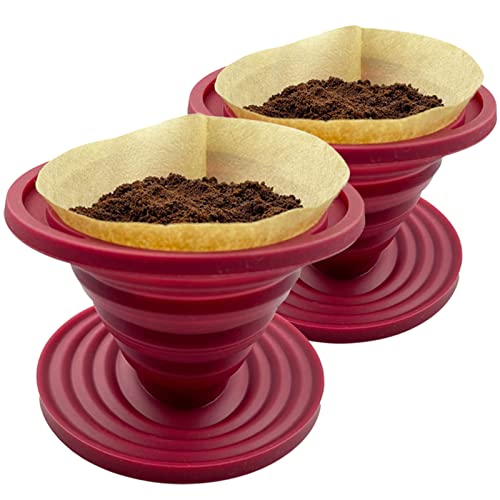
When selecting coffee gear for travel, the primary distinction lies in durability and compactness. Equipment designed for portability prioritizes resistance to impact and reduced volume, whereas standard home gear may be prone to damage during transit. A compact hand grinder is often preferred over electric burr grinders due to its safer and more robust nature for movement. Brewing vessels should be chosen from materials like plastic, silicone, or stainless steel to ensure they remain unbreakable. Additionally, a collapsible kettle or a travel-sized gooseneck kettle offers significant space savings without compromising function. Including a portable scale that fits in the palm allows for precise measurements while minimizing bulk. An insulated travel mug that serves double duty as a brewing vessel further consolidates equipment needs. The general principle for selection involves identifying items that can survive being tossed around in overhead bins or packed tightly. Investing in one dedicated travel kit is a recommended approach to streamline this process. Keeping such a kit pre-packed and ready ensures that specific travel-friendly components are always available, preventing the need to scramble for protection measures for everyday gear at the last minute. This strategy helps manage the inherent risks of transporting delicate coffee equipment through various travel conditions.
Packing Strategies to Protect Equipment
To protect coffee equipment during transit, the layering method establishes a protective environment by arranging soft clothing at the bottom of a bag. Each piece of gear is wrapped individually in microfiber cloths or t-shirts to prevent surface scratches and impact. Heavier items, such as grinders, are positioned in the center of the bag to maintain stability, while fragile components are surrounded by soft materials like socks or underwear. Filling any remaining gaps with smaller items prevents shifting during movement, and a final soft layer is added on top before closing the bag. This approach creates a cushioned cocoon that keeps equipment stationary even if the bag is subjected to rough handling. For frequent travelers, a dedicated case offers an alternative strategy. Padded organizer bags designed specifically for brewing equipment or repurposed camera bags with customizable foam inserts provide structured protection. These cases allow for organized storage where each item has a designated spot, reducing the risk of internal collisions. Using a dedicated case can streamline the process of accessing gear, such as during security checks, without needing to unpack multiple wrapped layers. Both strategies focus on immobilizing equipment and absorbing shock through padding and strategic placement to ensure gear arrives intact.
Managing Coffee Transport and Spills
Selecting a container that matches your movement style helps manage coffee transport. The vessel serves to block leaks and slow heat loss. Prioritize shape over brand when choosing a cup. A tall, narrow profile typically fits most holders and stays steadier during motion. Wide mugs may feel comfortable at a desk but are easier to tip inside a bag. Look for lids with a real gasket instead of simple snap-on caps. A flip lid with a locking tab offers extra security if the cup gets squeezed in a backpack. If you sip while walking, a one-hand open mechanism can help keep the lid from twisting loose. Building a spill-proof routine addresses common mistakes like overfilling, sealing too early, or tossing the cup into a bag without a stable base. Designate one consistent place for the cup to live. A car cup holder is often the best option. On transit, hold the cup low and close to your body rather than at shoulder height. If using a backpack, place the cup in the center surrounded by soft items, then tighten the bag so it cannot shift. Consistency in where the cup resides helps reduce accidental spills.
Considerations for Travel Espresso
Selecting appropriate gear for travel espresso involves balancing portability with brewing capability. Manual lever devices offer a compact, electricity-free solution that fits easily into carry-on luggage. Alternatively, battery-powered electric options provide convenience but add weight and require charging management. Regardless of the brewing method chosen, practicing with the equipment at home is essential to understand its specific quirks and optimize grind settings before traveling. Grinding beans on the go presents distinct challenges. Hand grinders are widely preferred for their light weight and quiet operation, provided they feature high-quality burrs capable of achieving fine espresso settings. While pre-ground coffee serves as a fallback, freshness deteriorates rapidly once beans are ground. A practical approach involves grinding beans into single-dose containers just prior to departure and vacuum-sealing them to maintain reasonable freshness for several days. Water quality is another critical variable often overlooked by travelers. Mineral content significantly impacts extraction quality, so tap water should be avoided due to inconsistent regional variations. Bottled water with moderate mineral content is generally a safer choice to ensure proper extraction. Finally, including small accessories such as a compact scale, travel tamper, and microfiber cloth can help streamline the process and maintain cleanliness while on the road.
Navigating Airport Security and Liquids Rules
Understanding airport security protocols for beverages requires distinguishing between the areas before and after the screening checkpoint. Before reaching the security screening point, liquid restrictions are strictly enforced. At U.S. airports, any beverage brought to the checkpoint is classified as a liquid and may need to comply with standard volume limitations. Travelers wishing to transport coffee from home should consider bringing an empty container through the screening process. This approach allows the vessel to pass inspection without violating liquid rules, after which it can be filled with coffee once past the checkpoint. Once an individual has successfully cleared security screening, the rules regarding liquids change significantly. Passengers are generally permitted to bring purchased beverages into the gate area. However, practical considerations for travel remain important due to cabin conditions. Turbulence during flight can cause spills if containers are not properly secured. Therefore, using a sealed cup with a lockable lid is advisable to prevent accidents. If purchasing coffee within the terminal, requesting a stopper or a lid plug can help ensure the drink remains secure during transit. These steps help navigate the specific regulatory environment of airport security while managing the physical realities of air travel.
Preserving Coffee Bean Freshness While Traveling
When transporting coffee beans, the primary concerns are protecting them from odor absorption, moisture, and physical crushing. Coffee itself is generally resilient during travel, but its flavor profile degrades quickly if exposed to environmental factors. To maintain freshness, select packaging that addresses these specific weaknesses. For short trips lasting one day, a simple zipper bag may suffice. However, for extended journeys, utilizing a rigid container or a specialized valve bag designed specifically for beans provides superior protection against crushing and air exposure. A key principle for preserving quality is implementing a double barrier system. This involves placing the beans in an inner bag while enclosing that within an outer bag intended for odor control. Keeping the coffee dry is critical, as moisture acts as the fastest mechanism for dulling flavor. It is essential to store the packaged coffee away from strong scents such as soap, perfume, or scented sunscreen. Coffee absorbs smells rapidly, so isolating it from these aromatic sources helps maintain the original taste profile. By focusing on these protective measures, travelers can mitigate the risks associated with transport and keep their coffee beans in better condition until ready for use.
Frequently Asked Questions
Can I bring coffee beans through airport security?
Coffee beans are generally permitted through airport security in carry-on luggage. To avoid issues, keep them in sealed bags under 12 ounces. While security may inspect the beans, packing them separately in your carry-on helps ensure a smoother process compared to checking them in luggage.
Will my hand grinder set off security alarms?
Hand grinders are generally fine for carry-on packing, but security personnel may want to inspect them. While they do not automatically trigger alarms, the metal components can set off scanners. Be prepared for a manual check if the device alarms during screening.
How do I make coffee in a hotel room without a kettle?
To brew coffee without a kettle, use a travel-friendly collapsible kettle or a portable heating element. Select a durable, unbreakable dripper made of plastic or silicone. Pack these items securely in your carry-on to ensure they survive transit and are ready for use upon arrival.
Is it worth bringing my own coffee gear on short trips?
Bringing your own coffee gear on short trips is possible but requires careful selection and packing. Choose durable, travel-friendly options like hand grinders and unbreakable brewers. Use protective packing strategies such as layering with soft clothing or dedicated cases to prevent damage during transit.
What's the most durable coffee brewer for travel?
For travel durability, consider plastic, stainless steel, or collapsible silicone brewers. These materials resist breaking better than glass. AeroPress-style brewers are also designed for travel with durable plastic construction. Avoid glass pour-over drippers unless wrapped securely in clothing and placed in the center of luggage to prevent damage.
Select a container shape that matches your movement, prioritizing tall, narrow designs for stability in holders. Choose a lid style with a reliable gasket and locking mechanism for bag carry or walk-and-sip use. Ensure the material suits your needs, balancing heat retention, durability, and flavor preservation without adding unrelated maintenance or purchasing advice.


