

Coffee Vs Milk Frothers Which Should You Buy
Whether you are pulling shots from a manual lever or brewing a fresh pot of Dunkin’ Original Blend, the texture of your milk can make or break your morning ritual. As we move through 2026, the gap between a casual coffee drinker and a home barista often comes down to one thing: the quality of your foam. This comparison explores the fundamental divide between those focusing on the coffee itself and those looking to master the art of milk texturing, helping you decide where to allocate your budget for the best extraction and mouthfeel.
This guide is designed for the enthusiast deciding between two different paths: investing in high-quality beans and brewing gear, or upgrading your milk preparation. We will break down the technical differences between handheld wands, electric jugs, and steam wands, focusing on how each affects your ability to produce everything from airy cold foam to silky, cafe-quality microfoam. If you are wondering whether to prioritize a better bag of Colombia Ground Coffee or a new milk frother, this technical breakdown will help you dial in your home cafe setup.
Affiliate disclosure: if you buy through these links, we may earn a commission at no extra cost to you.
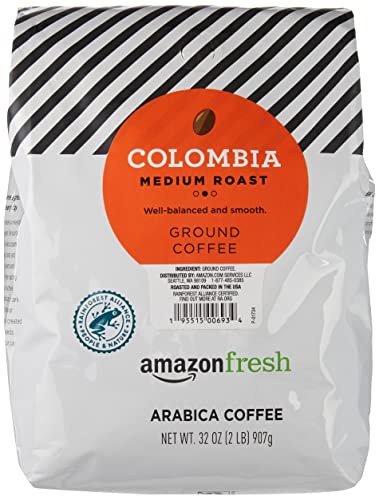
Table of Contents
- Models in this comparison
- Quick Verdict
- About Coffee
- About Milk Frothers
- Head-to-Head: Foam Texture and Microfoam Quality
- Head-to-Head: Use Case and Beverage Versatility
- Head-to-Head: Ease of Use and Maintenance
- Who Should Choose Coffee?
- Who Should Choose Milk Frothers?
- Our Verdict
- Frequently Asked Questions
- Sources & References
Models in this comparison
Affiliate disclosure: if you buy through these links, we may earn a commission at no extra cost to you.


Quick Verdict
Choose Coffee if...
- You are focusing on the foundation of the drink: the extraction quality and flavor profile of the bean.
- You prioritize the ritual of brewing single-origin beans or medium roasts like Colombia or Dunkin’ Original Blend.
- You are building a coffee-first setup where the bean's body and acidity are the primary focus.
Choose Milk Frothers if...
- You want to transition from simple black coffee to cafe-style lattes, cappuccinos, or iced drinks.
- You desire texture: from the light, airy foam of a handheld wand to the dense microfoam of an electric jug.
- You are looking for an easy, budget-friendly entry point into milk-based coffee recipes.
| Factor | Coffee (Grounds/Brewing) | Milk Frothers |
|---|---|---|
| Relative Cost | Variable (Based on bean quality/volume) | $7.99 (Handheld) to $199 (Premium Electric) |
| Best For | The foundation of flavor and extraction | Texture, aeration, and milk-based beverages |
| Setup Difficulty | Varies by brew method (Manual vs. Automatic) | Low (Instant results in seconds to minutes) |
| Reliability | Depends on freshness and grind consistency | Varies by power source (Battery vs. Rechargeable) |
| Key Advantage | Direct control over flavor profiles | Ability to create foam, latte art, or cold foam |
| Main Drawback | Requires manual effort for extraction | Does not produce coffee; only texturizes milk |
About Coffee
In the world of home brewing, the coffee itself is the foundation upon which every texture and extraction is built. Whether you are utilizing a manual lever espresso maker, a Moka pot, or a precision pour-over setup, the quality of your beans dictates the potential of your final cup. When we talk about the relationship between coffee and milk, we are essentially discussing the balance of flavor intensity against texture. A robust, medium-to-dark roast—such as the classic profiles found in Dunkin’ Original Blend or Colombia Ground Coffee—provides the necessary body to stand up against the creamy weight of milk. Without a strong coffee base, even the most perfect foam will result in a cup that tastes washed out.
For the enthusiast, the coffee is the variable you control through grind consistency and water temperature. When you pair a well-extracted shot with milk, you are looking for a harmonious marriage of acidity, sweetness, and body. If you are working with a manual brewer like an AeroPress or a Flair 58 Plus 2, you are often faced with the "wall" of milk preparation: you have the coffee, but you lack the steam wand to create the texture needed to complement it. This is why understanding the distinction between the liquid coffee in your cup and the aeration tools you use is vital for anyone looking to master the home cafe experience.
About Milk Frothers
Milk frothers are specialized tools designed to introduce air into milk to create various textures, ranging from light, airy bubbles to dense, velvety microfoam. Because these tools serve different purposes, they are categorized by their mechanics: handheld wands, electric jugs, and steam wands. Handheld frothers, such as the Zulay Kitchen model, typically run on two AA batteries and can froth a cup of milk in approximately 20 seconds. These are excellent for introducing air through rapid rotation, though they produce a lighter, less stable foam compared to professional equipment. They are an ideal entry point for those wanting to experiment with iced lattes or cold foam without a heavy investment.
For those seeking a more sophisticated texture, the choice between electric jugs and steam wands is critical. Electric jug frothers, like the Breville Milk Café, heat and froth milk within the same container, offering convenience for hot lattes. However, they often struggle to produce the true microfoam required for latte art. True microfoam—the fine, glossy bubbles that allow for beautiful pours—is best achieved via a steam wand on an espresso machine, which folds air into the milk during the heating process. When deciding on a purchase, consider your end goal: if you want cafe-quality microfoam, a steam wand is superior; if you want convenience and volume, an electric jug is a strong contender. For beginners, starting with a $10 handheld frother is a wise way to determine your daily milk-frothing habits before upgrading to more expensive electric models.
Head-to-Head: Foam Texture and Microfoam Quality
The most significant technical distinction between these two categories lies in the structure of the bubbles produced. Handheld frothers create foam through rapid rotation, introducing air into the milk to create a lighter, less stable foam. While this works for casual use, it lacks the ability to fold air into the milk during the heating process. This results in a much coarser bubble structure compared to professional-grade equipment.
In contrast, an espresso machine equipped with a steam wand is the gold standard for true microfoam. A steam wand heats and aerates the milk in a single, integrated motion, creating the fine, glossy, silky bubbles necessary for successful latte art. While electric jug frothers offer convenience by heating and frothing in one container, they often struggle to reach the dense, velvety texture that a manual steam wand provides. For those seeking cafe-quality results, the steam wand remains superior for texture consistency.
Head-to-Head: Use Case and Beverage Versatility
When deciding between these tools, you must first identify your primary beverage profile. Handheld frothers, typically priced between $8 and $15 according to Home Cafe Lab, are excellent entry-level tools for iced lattes and cold foam recipes. Because they do not heat the milk, they are ideal for those who want to whip cold milk straight from the fridge to achieve a specific texture for chilled drinks.
Electric jug frothers ($30–$60) and steam wands serve a different purpose, focusing on hot latte production. While electric jugs are highly convenient for daily hot milk, they are often unsuitable for cold foam. If your goal is to master latte art, the steam wand is the necessary choice. However, if you are primarily focused on quick, cold-foam applications for iced coffee, the handheld wand offers a level of versatility that larger machines cannot match.
Head-to-Head: Ease of Use and Maintenance
The learning curve and maintenance requirements vary wildly between these methods. Handheld frothers are incredibly simple: the Zulay Kitchen Handheld, for example, runs on two AA batteries and can froth a cup of milk in approximately 20 seconds. They require minimal counter space and can be rinsed clean in seconds. However, a common mistake is choosing cheap battery-powered models over rechargeable USB models; rechargeable versions are generally more reliable and convenient for daily use.
Using a steam wand requires significantly more technique and practice to achieve consistent results. While it offers the best extraction of flavor and texture, it demands more attention to detail to prevent milk from scalding or improper aeration. For both types, immediate cleaning is vital to prevent milk residue buildup. For beginners, the expert advice is to start with a $10 handheld frother to determine your actual usage frequency before investing in more expensive electric or manual steam-based systems.
Who Should Choose Coffee?
In the context of this comparison, choosing "coffee" refers to the enthusiast who prioritizes the liquid extraction itself—the bean, the grind, and the brew method—over the texture of the milk. If your morning ritual revolves around the nuanced flavor profiles of a Colombian medium roast or the ritual of a pour-over, your focus is on the coffee. For these drinkers, milk is often an accent rather than the main event.
You should focus on high-quality coffee beans and precision brewing if you prefer:
- Black Coffee or Pour-Overs: If you are dialing in flavor through manual brewing, the milk texture is secondary to the acidity and body of the brew.
- Iced Coffee and Cold Brew: If you prefer refreshing, cold-extracted coffee, you may find that heavy milk textures interfere with the clean profiles of your beans.
- The Purist Approach: If you believe the bean should lead the cup, you likely won't need the heavy aeration of a dedicated frother.
Who Should Choose Milk Frothers?
Choosing a milk frother is a decision for the home barista who wants to transition from "coffee with milk" to cafe-style milk-based beverages. Because a milk frother is a specialized tool for texture, it is an upgrade for those who want to master the art of the latte, cappuccino, or cold foam.
You should invest in a milk frother if you fall into one of these categories:
- The Latte Art Enthusiast: If you want to practice pouring beautiful designs, you need the fine, glossy microfoam that only specialized tools can provide. According to Home Cafe Lab, while a $10 handheld frother is a great starting point, those seeking true microfoam for latte art may eventually need to look toward espresso machines with built-in steam wands or premium electric models like the Breville Milk Café.
- The Iced Coffee Lover: If you enjoy thick, creamy cold foam on top of your iced lattes, a handheld frother is an essential tool. As noted by Home Cafe Lab, handheld wands (typically $8–$15) are ideal for creating the lighter, airier foam used in cold foam recipes.
- The Convenience Seeker: If you want a one-touch solution for hot milk, electric jug frothers (ranging from $30 to $60) offer a convenient way to heat and froth in one container.
Expert Tip: If you are just starting your milk-based journey, Home Cafe Lab suggests buying a $10 handheld frother first to determine how often you will actually use milk frothing before committing to a more expensive electric model.
Our Verdict
Choosing between a milk frother and a coffee-centric setup depends entirely on whether you are chasing texture or convenience. If you are looking for the gold standard of cafe-quality microfoam—that silky, glossy texture required for successful latte art—a steam wand on an espresso machine remains superior. A steam wand heats and aerates milk in a single motion, folding air into the milk to create fine, integrated bubbles that a standalone frother simply cannot replicate.
However, for the vast majority of home baristas, the decision comes down to your specific drink profile. If your routine revolves around iced lattes and cold foam, a handheld frother is your best entry point. These tools, typically priced between $8 and $15, introduce air through rapid rotation to create a lighter, airier foam that works beautifully for cold recipes. If you prefer hot lattes without the complexity of a full espresso machine, an electric jug frother ($30–$60) offers a convenient, one-container solution for heating and frothing.
The Professional Recommendation: Don't overcomplicate your morning before you've established your routine. If you are just starting, buy a $10 handheld frother first to determine how often you will actually use milk frothing before upgrading to a more expensive electric model. If you decide to move beyond the basics, prioritize rechargeable USB models over battery-powered versions for better reliability, and always remember: if you want true microfoam, you'll eventually need to invest in a machine with a built-in steam wand.
Frequently Asked Questions
What is the difference between handheld frothers and steam wands?
The primary difference lies in the texture and stability of the foam. Handheld frothers create foam by introducing air through rapid rotation, resulting in a lighter, less stable foam. In contrast, steam wands produce true microfoam by heating and aerating milk in a single motion, creating the fine, glossy bubbles necessary for professional-level latte art.
Which milk works best for frothing?
For the most stable foam, whole milk and oat milk are excellent choices. If you are looking for maximum volume, skim milk provides more foam, though it results in a less creamy texture. For the best results with cold foam, keep your milk in the fridge until the moment you are ready to froth.
Should I buy a battery-powered or a rechargeable frother?
While budget-friendly options like the Zulay Kitchen Handheld run on two AA batteries, rechargeable USB models are often more reliable and convenient for daily use. If you are just starting, experts suggest buying a $10 handheld frother first to determine how often you will actually use milk frothing before committing to a more expensive upgrade.
How do I maintain my milk frother?
To prevent milk residue buildup and ensure the longevity of your equipment, it is necessary to clean your frother immediately after every use. This is especially important for handheld wands and electric jugs to prevent spoilage and maintain hygiene.
Can electric jug frothers make cold foam?
Most electric jug frothers are designed to heat and froth milk within the same container, making them convenient for hot lattes. However, because they focus on heating, they are often unsuitable for producing cold foam compared to handheld models.


