

Coffee Vs Coffee Storage Which Should You Buy
Coffee vs Coffee Storage: Which Should You Buy in 2026?
By Dana Espinoza
Choosing between coffee and coffee storage is not really a conventional product matchup. Coffee is the consumable that determines what reaches the cup; storage is the equipment that helps protect its flavor after purchase. Because these products serve different purposes, the right choice depends on whether you need better coffee immediately or a better way to preserve the coffee you already have.
This comparison is for home brewers deciding where their next dollar will make the biggest difference. It is especially relevant if you buy whole beans or ground coffee in larger quantities, switch between brewing methods, or notice that a coffee tastes aromatic and lively when opened but flat a week or two later. The products are not equivalent scopes, so their prices, setup requirements, and benefits cannot be compared as though one replaces the other.
Affiliate disclosure: if you buy through these links, we may earn a commission at no extra cost to you.
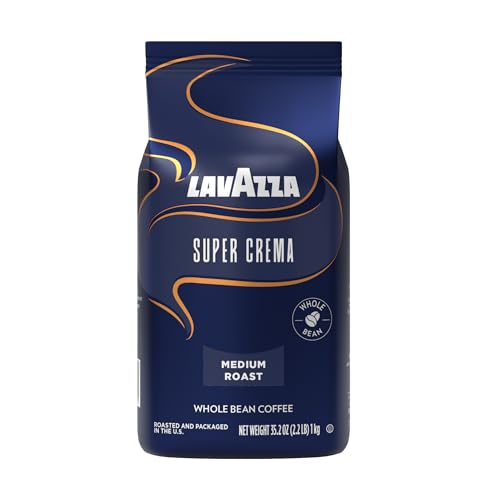
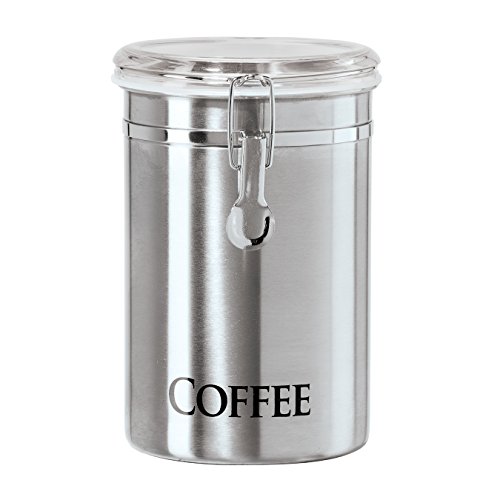

Table of Contents
- Our Top Picks
- Quick Verdict
- About Coffee
- About Coffee Storage
- Head-to-Head: Flavor and Extraction Quality
- Head-to-Head: Freshness and Shelf-Life Management
- Head-to-Head: Materials and Protection
- Head-to-Head: Convenience and Value
- Who Should Choose Coffee?
- Who Should Choose Coffee Storage?
- Our Verdict
- Frequently Asked Questions
- Sources & References
- Relevant Products for This Topic
Our Top Picks
Affiliate disclosure: if you buy through these links, we may earn a commission at no extra cost to you.
Quick Verdict
Choose Coffee if...
- You are out of coffee or want to change the flavor profile in your cup immediately.
- You are still exploring roast styles, origins, and brewing formats before investing in storage equipment.
- Your current coffee is stale because the underlying beans or grounds are already past their best, not because your container is inadequate.
Choose Coffee Storage if...
- You already enjoy the coffee you buy but want to slow the loss of aroma and flavor after opening.
- You purchase whole beans in quantities that will not be used within approximately two to four weeks of the roast date.
- Your coffee is exposed to air, light, heat, or moisture in a transparent jar, loosely closed bag, or inconvenient cupboard.
| Factor | Coffee | Coffee Storage |
|---|---|---|
| Relative Cost (source-bound only) | No price comparison is possible from the available information. Coffee is a recurring consumable purchase. | No price comparison is possible from the available information. Storage is a reusable equipment purchase. |
| Best For | Changing the flavor, aroma, roast character, or format of what you brew. | Protecting purchased coffee from oxygen, light, heat, and moisture. |
| Setup Difficulty | Low for ground coffee; more involved for whole beans because grind size must match the brewing method. | Low when the container has a durable seal and is kept at room temperature away from light and heat. |
| Reliability | Depends on freshness, roast date, grind condition, and brewing technique. | Depends on the seal, opacity, material, gas-management design, and storage habits. |
| Key Advantage | It directly determines the raw material available for extraction and the sensory character of the cup. | It can extend the period in which coffee retains its intended aroma and flavor. |
| Main Drawback | Even excellent coffee loses quality as it is exposed to oxygen, particularly after grinding. | It cannot rescue coffee that is already stale, poorly roasted, or badly extracted. |
About Coffee
Coffee is the starting point for every brewing decision. The beans or grounds determine the available aroma, acidity, sweetness, bitterness, body, and finish before water ever reaches them. A carefully selected coffee can produce a fragrant, balanced cup with clear fruit, cocoa, caramel, or spice notes; a tired or poorly matched coffee can leave even a capable brewer chasing sweetness that is no longer there.
The format matters. Whole beans generally give the home brewer more control because grinding can be adjusted to the brewing method and recipe. That control is useful when dialing in extraction: a finer grind can increase contact and extraction, while a coarser grind can reduce it. Ground coffee is more convenient, but TheLivingLook states that oxidation can begin within minutes of grinding, so minimizing exposure time becomes particularly important.
The examples supplied for this category include Lavazza Super Crema Whole Bean Coffee, Medium Espr, Dunkin’ Original Blend Medium Roast Ground Coffee, and Amazon Fresh Colombia Ground Coffee, Medium Roast. These names identify different products or formats, but they do not by themselves establish freshness, grind suitability, price, or cup performance. Those factors must be evaluated from the package information and the brewer’s actual preparation.
About Coffee Storage
Coffee storage is a freshness-control problem. The four main enemies of roasted coffee are oxygen, light, heat, and moisture. A useful container therefore does more than look attractive on a countertop: it should limit air exchange, block light, resist moisture, and remain easy to open and close without repeatedly exposing the entire supply.
TheLivingLook recommends storing whole-bean coffee in an opaque, airtight container at room temperature, away from light, heat, and moisture. It advises against routine refrigeration because condensation can damage coffee quality. Freezing is suggested only for unopened bulk beans intended to be stored for more than three weeks. For everyday storage, a cool, stable cupboard is the more straightforward choice.
The supplied storage example is the Oggi Stainless Steel Coffee Canister 62 fl oz - Ai. The product name alone does not establish its gasket quality, valve design, opacity, or real-world seal performance, so those details should be confirmed before purchase. More broadly, CoffeeXplore identifies vacuum-seal versus airtight designs, stainless steel versus ceramic construction, one-way carbon-dioxide valves, and date trackers as important buying considerations.
Head-to-Head: Flavor and Extraction Quality
Coffee has the more direct effect on the cup. Its freshness and format influence how evenly water can extract soluble compounds and whether the final brew tastes vivid or muted. Whole beans also let the brewer adjust grind size, which is central to dialing in pour-over, immersion, and espresso-style preparations. A coffee storage container cannot improve grind consistency or correct an extraction that is too fast, too slow, too weak, or too bitter.
Storage has an important supporting role. By slowing exposure to oxygen and other freshness threats, it helps preserve the aromatic compounds the brewer is trying to extract. CoffeeXplore’s four-week comparison identified the AirScape Planetary Design Stainless Steel Coffee Canister as its best overall pick and credited its plunger-based system with actively reducing air exposure. That supports a useful distinction: trapping air inside a container is not the same as actively reducing the air surrounding the coffee.
Head-to-Head: Freshness and Shelf-Life Management
Fresh coffee is not automatically protected coffee. TheLivingLook recommends using coffee within approximately two to four weeks of its roast date and rotating stored stock weekly. Once coffee is ground, exposure becomes more urgent; the same source states that oxidation can begin within minutes of grinding. For pre-ground coffee, it recommends minimizing exposure time and using nitrogen-flushed resealable bags.
Storage becomes more valuable when your buying pattern conflicts with that freshness window. A well-designed canister may reduce unnecessary exposure between brews, but it does not stop coffee from aging altogether. The correct habit is to buy an amount you can use promptly, keep the active supply sealed, and avoid repeatedly opening a large container throughout the day.
Head-to-Head: Materials and Protection
For storage, material and design should be judged together. TheLivingLook recommends airtight stainless-steel containers with opaque, UV-blocking walls and a one-way carbon-dioxide valve as a balanced choice for freshness and protection. Stainless steel and ceramic are both highlighted as relevant container materials, but neither material alone guarantees a good result. The gasket, lid fit, opacity, and gas-management system matter just as much.
Coffee itself has no protective barrier once its package is opened. Whole beans can remain aromatic when kept in an appropriate container, while grounds demand tighter exposure control. A transparent decorative jar may be visually appealing but is a weaker choice if it admits light or does not seal reliably. In practical terms, a modest opaque container with a dependable closure is more useful than an attractive vessel that leaves coffee exposed.
Head-to-Head: Convenience and Value
Coffee delivers immediate value because it is the part of the purchase you taste. It is the right priority when you have no usable coffee, dislike the flavor of your current roast, or want to experiment with a different whole-bean or ground format. However, it is a recurring expense, and the benefit is temporary because each opened package continues to lose freshness.
Storage is a reusable investment, but its value depends on your routine. It makes more sense for someone who buys whole beans, wants consistent flavor from one brew to the next, or regularly finds an opened bag aging in the cupboard. It makes less sense if coffee is consumed quickly from its original well-sealed package. Since no prices were provided, it would be misleading to declare one category cheaper; they are not substitutes and should be assessed against different needs.
Who Should Choose Coffee?
Choose coffee first if the problem is the cup itself. This is the better purchase when your current coffee tastes flat, overly bitter, harsh, or simply does not suit your preferred brewing method. Whole beans are particularly attractive if you want to control grind size and practice dialing in extraction. Ground coffee is the more convenient route when speed and simplicity matter more than maximum control.
Do not expect a new coffee to compensate for poor storage or inconsistent brewing. Keep the package sealed between uses, use the coffee promptly, and match the grind to the brewer. Espresso-style brewing is especially sensitive to grind adjustment and puck preparation, while pour-over rewards control over grind size, water flow, and contact time. Neither coffee category nor storage container determines steam power, because neither is an espresso machine or milk frother.
Who Should Choose Coffee Storage?
Choose coffee storage if you already have coffee you like and your main concern is preserving it. An opaque, airtight container at room temperature is the sensible baseline for most home users. Look for a durable gasket, UV-blocking construction, and a design that limits air exposure without becoming difficult to use. A date tracker can also support weekly stock rotation.
For daily grinding, TheLivingLook recommends ceramic or stainless-steel containers with one-way carbon-dioxide valves. If you use pre-ground coffee, minimize the time the package remains open and favor appropriate nitrogen-flushed resealable packaging where available. Avoid routine refrigeration because condensation can damage coffee quality, and reserve freezing for unopened bulk beans intended for storage beyond three weeks.
Our Verdict
Buy coffee first if you need a better or different cup today; buy coffee storage first if your current coffee is good but repeatedly loses its aroma before you finish it. For most regular whole-bean drinkers, coffee storage is the stronger long-term upgrade after the coffee itself is satisfactory. The best choice is an opaque, airtight stainless-steel or ceramic container with a durable seal and suitable gas management, kept at room temperature away from light, heat, and moisture.
The important qualification is that storage preserves quality rather than creating it. A canister will not fix stale beans, an unsuitable grind, or poor extraction. But when the coffee is fresh and the brewing routine is sound, better storage can help retain the sweet, aromatic, structured character that makes the original coffee worth buying.
Frequently Asked Questions
Is coffee storage more important than buying better coffee?
Neither replaces the other. Coffee determines the potential flavor in the cup, while storage helps preserve that potential. If your current coffee is stale or unsuitable, buy better coffee first. If you already enjoy it but cannot finish it promptly, improve storage.
What is the best way to store whole-bean coffee?
TheLivingLook recommends an opaque, airtight container at room temperature, away from light, heat, and moisture. A stainless-steel or ceramic container with a durable seal and one-way carbon-dioxide valve is a practical option for daily grinding.
Should coffee be refrigerated?
Routine refrigeration is not recommended by TheLivingLook because condensation can damage coffee quality. The source suggests freezing only unopened bulk beans intended to be stored for more than three weeks.
Is a vacuum canister better than a standard airtight container?
Active air removal may preserve delicate flavor notes longer than simply trapping air inside a standard airtight container, according to CoffeeXplore’s hands-on canister comparison. The seal, material, opacity, and ease of daily use should still be evaluated together.
How long should coffee be kept after roasting?
TheLivingLook recommends using coffee within approximately two to four weeks of its roast date and rotating stored stock weekly. Ground coffee needs especially careful exposure control because the source states that oxidation can begin within minutes of grinding.
Sources & References
Relevant Products for This Topic
As an Amazon Associate we earn from qualifying purchases at no extra cost to you.


