

Coffee Vs Coffee Grinders Which Should You Buy
When you are standing in your kitchen, staring at a bag of premium single-origin beans, you face a fundamental crossroads: do you invest in the beans themselves, or do you invest in the machinery that unlocks their potential? This is the classic "Coffee vs. Coffee Grinders" dilemma. For the enthusiast, the question isn't just about which one to buy first, but how to balance your budget to achieve the perfect extraction. While high-quality coffee is the soul of your morning ritual, the grinder is the engine that drives the flavor profile.
This comparison is designed for the home brewer navigating the transition from casual drinker to serious enthusiast. If you are deciding whether to spend your hard-earned money on a fresh shipment of Colombian medium roast or a precision-engineered burr grinder, you need to understand the technical trade-offs. We will explore how grind consistency, particle size distribution, and ease of dialing in affect your final cup, helping you decide whether to prioritize the raw ingredient or the tool that shapes it.
Affiliate disclosure: if you buy through these links, we may earn a commission at no extra cost to you.
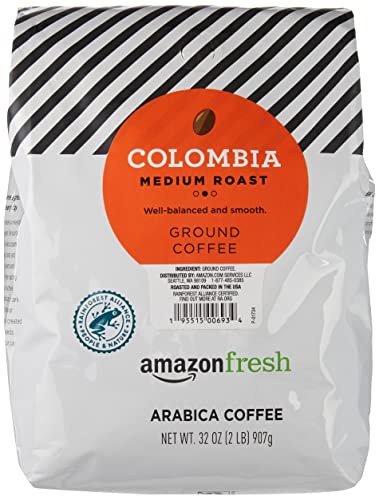
Table of Contents
- Models in this comparison
- Quick Verdict
- About Coffee
- About Coffee Grinders
- Head-to-Head: Coffee vs. Coffee Grinders
- Factor: Extraction Quality and Flavor Profile
- Factor: Versatility and Dialing-In Precision
- Who Should Choose Coffee?
- Who Should Choose Coffee Grinders?
- Our Verdict
- Frequently Asked Questions
- Sources & References
Models in this comparison
Affiliate disclosure: if you buy through these links, we may earn a commission at no extra cost to you.


Quick Verdict
Choose Coffee if...
- You are looking for immediate convenience and a low entry cost for a caffeine fix.
- You prefer pre-measured, consistent portions without the need for manual calibration.
- You do not own brewing equipment that requires specific grind sizes (like espresso machines).
Choose Coffee Grinders if...
- You want to maximize flavor through freshness, as grinding beans just before brewing preserves aroma better than pre-ground coffee.
- You need versatility to switch between brew methods, such as espresso, pour over, or cold brew.
- You want to control particle size distribution to achieve a balanced extraction with fewer bitter fines.
| Factor | Coffee (Pre-Ground) | Coffee Grinders |
|---|---|---|
| Primary Focus | Convenience and immediate brewing. | Precision, freshness, and extraction control. |
| Flavor Potential | Limited by oxidation and fixed particle size. | High; allows for narrow particle size distribution for balanced extraction. |
| Versatility | Fixed grind size; difficult to switch between espresso and pour over. | High; adjustable settings allow for everything from espresso to cold brew. |
| Workflow Impact | Minimal setup; zero manual effort. | Requires regular maintenance and "dialing in" for optimal results. |
| Key Advantage | Low entry cost and ease of use. | Fresher flavor and ability to achieve professional-grade extraction. |
| Main Drawback | Rapid loss of aroma and flavor due to air exposure. | Higher initial investment and requires more user effort. |
About Coffee
In the world of specialty brewing, coffee is the soul of the cup. It is a complex organic matrix of oils, acids, sugars, and aromatic compounds that are locked within the cellular structure of the bean. When we talk about "coffee" in a brewing context, we are discussing the raw material that dictates the potential for a perfect extraction. The quality of your harvest, the roast profile, and the freshness of the beans are the foundational variables that no amount of expensive equipment can fully compensate for if the starting material is flawed.
For the home enthusiast, the choice between pre-ground coffee and whole beans is the first major decision in the brewing journey. Pre-ground options, such as Dunkin’ Original Blend, Amazon Fresh Colombia, or Maxwell House, offer convenience and a consistent flavor profile for those who prioritize ease of use. However, once the beans are ground, the surface area increases exponentially, exposing the delicate aromatics to oxygen. This process begins the inevitable degradation of flavor, making the timing between grinding and brewing a critical factor in achieving a vibrant, nuanced cup.
About Coffee Grinders
If coffee is the soul, the grinder is the engine. As an SCA-certified Q Grader would note, grind consistency and particle size distribution often matter more than the espresso machine itself for quality extraction. A high-quality grinder ensures a narrow particle size distribution, which is essential for a balanced extraction. This prevents the presence of excessive "fines"—tiny particles that can over-extract and lead to bitter, muddy flavors—while ensuring the larger particles provide the necessary body and sweetness.
When evaluating grinders, the primary technical focus is on the mechanism used to fracture the beans. Burr grinders, such as the OXO Brew Conical Burr, are preferred over blade grinders because they produce more uniform particle sizes. For those moving between brewing methods, specialized designs like the Baratza Encore ESP offer a split-dial system: settings 1–20 for high-resolution espresso adjustments and 21–40 for broader filter methods. Other innovations, such as the Fellow Opus's anti-static technology, aim to reduce bean retention—with the Opus producing 40% less retention than the Baratza during testing—ensuring that the coffee you brewed yesterday doesn't end up in your cup today. Whether choosing a manual option like the KINGrinder K6 with its 60-click-per-turn scale or an electric workhorse, the goal remains the same: precision, consistency, and repeatable results.
Head-to-Head: Coffee vs. Coffee Grinders
Before diving into the technical breakdown, it is important to address the scope of this comparison. We are comparing the fundamental choice between purchasing pre-ground "coffee" versus investing in "coffee grinders." While coffee is the consumable medium and a grinder is the tool used to prepare it, the decision represents a choice between convenience and the pursuit of professional-grade extraction quality.
Factor: Extraction Quality and Flavor Profile
When you purchase pre-ground coffee, such as Dunkin’ Original Blend or Maxwell House, you are working with a fixed particle size. While these are convenient, they offer no ability to adjust for different brewing methods. For the enthusiast, the primary limitation of pre-ground coffee is the inevitable oxidation and loss of aromatic compounds that occur once the beans are breached. This can lead to a cup that lacks the vibrant acidity or heavy body desired in specialty brews.
In contrast, investing in a coffee grinder allows you to control the particle size distribution, which is the cornerstone of professional extraction. As an SCA-certified Q Grader notes, grind consistency and particle size distribution often matter more than the espresso machine itself for quality extraction. A high-quality grinder allows you to achieve a narrow particle size distribution, ensuring a balanced extraction with fewer bitter fines. This precision enables you to move from the fine, tight grind required for espresso to the coarser settings needed for a bright pour-over or a textured cold brew.
Factor: Versatility and Dialing-In Precision
The versatility of pre-ground coffee is strictly limited to the grind profile chosen by the manufacturer. If you buy a medium roast ground coffee, you are essentially locked into specific brewing methods like drip or French press. You cannot "dial in" a pre-ground bag to suit a specific bean's unique density or roast profile, which often results in a sub-optimal extraction regardless of your brewing equipment.
A dedicated coffee grinder provides the versatility to master multiple brewing families. For example, the Baratza Encore ESP features a 40-position split dial with settings 1–20 for espresso and 21–40 for filter methods, allowing a single machine to serve two distinct coffee worlds. For those seeking even more precision, the KINGrinder K6 manual grinder uses an external scale with 60 clicks per turn to provide granular control. This ability to adjust the grind size allows you to manipulate the surface area of the coffee, letting you fine-tune the flow rate and flavor intensity to match the specific characteristics of your beans.
Who Should Choose Coffee?
In the context of this comparison, choosing "coffee" refers to consumers opting for pre-ground varieties—such as Dunkin’ Original Blend, Amazon Fresh Colombia, or Maxwell House—rather than whole beans. This path is best suited for those who prioritize convenience and immediate accessibility over the nuances of extraction science.
If your brewing routine relies on the simplicity of a drip machine or a pour-over setup where you do not own a grinder, purchasing pre-ground coffee is a functional choice. However, it is important to note that once coffee is ground, the surface area increases, leading to rapid oxidation. For the enthusiast seeking the peak aromatic profiles and complex flavor notes found in specialty beans, the shelf life of pre-ground coffee may not meet your standards for freshness.
Who Should Choose Coffee Grinders?
Choosing a coffee grinder is an investment in the fundamental chemistry of your brew. This path is for the enthusiast who understands that grind consistency and particle size distribution are the primary drivers of extraction quality. As an SCA-certified Q Grader might note, the precision of your grind often matters more than the espresso machine itself when it comes to achieving a balanced cup.
You should choose a grinder if you fall into one of these specialized categories:
- The Espresso Enthusiast: If you are dialing in shots, you need high-resolution adjustment ranges. For example, the Baratza Encore ESP features a 40-position split dial (settings 1–20 for espresso and 21–40 for filter) to allow for the micro-adjustments necessary for precise espresso recipes.
- The Batch Brewer: If you prefer larger quantities, grinders like the OXO Brew Conical Burr Coffee Grinder offer significant hopper capacity (up to 3/4 pounds) and UV-blocking tints to preserve bean freshness.
- The Precision Purist: If you want to minimize bean retention and maximize flavor clarity, grinders with advanced technology—such as the Fellow Opus, which produced 40% less retention than the Baratza during testing—are ideal for ensuring every gram of coffee reaches your brewer.
- The Manual Explorer: For those valuing portability and tactile control, manual grinders like the KINGrinder K6 provide external scales and 60 clicks per turn for precise, hand-driven consistency.
Ultimately, if you want to control the body, acidity, and sweetness of your coffee, a grinder is the essential tool to move beyond the limitations of pre-ground coffee.
Our Verdict
If you are standing at the crossroads of a coffee purchase, you aren't just choosing between two products; you are choosing between a commodity and a craft. To be clear: "Coffee" (pre-ground beans) and "Coffee Grinders" are not equivalent scopes. One is a consumable ingredient, while the other is a precision tool. However, the decision of which to prioritize in your budget depends entirely on your extraction goals.
If you buy pre-ground coffee, you are locked into a single grind profile. You cannot adjust for the nuances of a dark roast versus a light roast, nor can you fine-tune the particle size to fix a sour shot or a bitter brew. As an SCA-certified Q Grader notes, grind consistency and particle size distribution often matter more than the espresso machine itself for quality extraction. A narrow particle size distribution ensures a balanced extraction with fewer bitter fines, which is the key to professional-level flavor.
The Recommendation:
If you want to move from "drinking coffee" to "crafting espresso," buy the grinder first.
Investing in a high-quality grinder—such as the Baratza Encore ESP, which features a 40-position split dial (1–20 for espresso and 21–40 for filter) to allow for precise dialing in—provides a much higher ceiling for flavor than any bag of pre-ground coffee ever could. While buying pre-ground coffee like Dunkin’ Original Blend or Maxwell House is convenient for a quick caffeine fix, it lacks the ability to achieve the nuanced extraction required for true espresso or specialty pour-over results.
For the home enthusiast, the value proposition is clear: A great grinder turns mediocre beans into extraordinary coffee, but even the most expensive beans will taste mediocre if they are ground inconsistently. Buy the grinder to unlock the potential of your beans, and then invest in fresh, whole-bean coffee to reap the rewards.
Frequently Asked Questions
Does the quality of my grinder matter more than my espresso machine?
According to an SCA-certified Q Grader, grind consistency and particle size distribution often matter more than the espresso machine itself for achieving quality extraction. A narrow particle size distribution ensures a balanced extraction with fewer bitter fines, which is critical for professional-level results at home.
What is the difference between espresso-capable grinders and standard grinders?
For home enthusiasts on a budget, a grinder with a high-resolution adjustment range or a split-dial is essential. For example, the Baratza Encore ESP features a 40-position split dial where settings 1–20 are designed for espresso and 21–40 are for filter methods, allowing for the finer precision needed when dialing in espresso recipes.
How can I keep my coffee beans fresh when using a grinder with a hopper?
When using grinders with built-in storage, such as the OXO Brew Conical Burr Coffee Grinder, look for features like airtight lids and UV-blocking tints. The OXO Brew hopper, for instance, includes a UV-blocking tint and an airtight lid to help preserve the freshness of the beans.
Why is "retention" important in a coffee grinder?
Retention refers to the coffee grounds that remain inside the grinder after a brew cycle. Reducing retention is vital for flavor purity; for example, the Fellow Opus features anti-static technology designed to reduce bean retention, with testing showing it produced 40% less retention than the Baratza.


