

Manual Espresso Makers Buying Guide: What to Look For in 2026
🏆 Top Picks at a Glance
 #1
#1
Best Overall
atatix Espresso Machine with Milk Frother, 20 Bar Pressure Espresso Maker, with 44OZ Removable Tank, Compact Stainless Steel Coffee Machine for Home, Office, Latte, Cappuccino, Macchiato, Silver
$111.1
Check Price → #2
#2
Runner Up
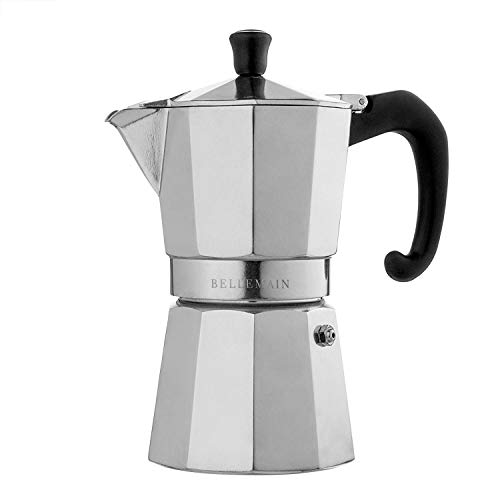
Bialetti Moka Express Iconic Italian Stovetop Espresso Maker (Natural Silver, 6 Cups)
$54.99
Check Price → #3
#3
Best Value
GROSCHE Milano Moka Stovetop Espresso Coffee Maker (3 Cup / 150 ml, White)
$34.99
Check Price →Our Top Picks
Affiliate disclosure: if you buy through these links, we may earn a commission at no extra cost to you.

Factors to Consider
Control, pressure, and dialing in shots
⚡ Quick Answer
Manual espresso relies on your ability to modulate pressure and flow with a lever or piston. A smooth, repeatable resistance lets you apply a precise preinfusion and an even extraction across the puck. Look for a lever with consistent throw and return so you can reproduce the same pressure profile shot after shot. In practice, the best shots show balanced sweetness, caramel notes, and a glossy crema when you dial 25–30 seconds for a 1:2 ratio, adjusting grind and tamp to taste.
Table of Contents
Grind consistency and grinder compatibility
Grind quality is the single biggest variable in espresso; a burr grinder with micro-adjust and low grind-channeling helps maintain stable particle sizes and repeatable extractions. A uniform particle size distribution reduces channeling and under/over-extraction, delivering a more predictable shot. A stepless or micro-adjust grinder lets you dial in the grind with 0.1–0.2 mm changes, which matters immensely for lever control. Pair a robust grinder with a 58 mm portafilter machine for best results.
Heat management: boiler design and temperature stability
Temperature control is essential for aroma, sweetness, and crema; stable heat prevents sourness or flat flavors during the pour. Look for machines with a solid boiler (stainless steel) and good insulation, and consider models with dedicated steam capability or optimized heat-exchange design. Preheating cups and components helps maintain heat through the shot, yielding a more consistent mouthfeel.
Build materials, durability, and ease of maintenance
Stainless steel components and a robust group head resist years of use, while aluminum constructions can save weight but may show wear sooner. Check portafilter size (58 mm is the espresso standard for better extraction consistency) and gasket quality for long-term reliability. Favor models with easily disassembled parts for cleaning and straightforward access to gaskets and screens.
Value, accessories, and warranty
Manual espresso can offer outstanding value when you prioritize dependable build, repeatable grind path, and a smooth lever action over flashy gimmicks. Consider what’s included—tamper, distribution tools, cleaning brushes, and a solid warranty extend the life of your setup. Higher upfront quality often translates to long-term savings through durability and repairability.
Frequently Asked Questions
Do I need a special grinder to use a manual espresso maker?
Yes. Espresso in a manual setup hinges on a consistent, fine grind; a quality burr grinder with micro-adjustments delivers repeatable particle size and reduces channeling. A blade grinder cannot provide the uniformity espresso requires, often leading to erratic shots and weak crema.
What pressure can I expect from a manual lever, and is it safe?
Manual levers peak around typical espresso pressures (roughly 8–9 bars at the moment of peak extraction) when you pull with controlled force. The safety is inherent in the machine design and your own control; avoid forcing the lever and practice even, smooth strokes to prevent over-extraction.
Can I achieve cafe-quality crema with a manual machine?
Crema quality depends on grind size distribution, coffee freshness, and extraction cleanliness. With proper preinfusion, temperature stability, and a well-tuned grind, a lever can produce a rich, caramel-toned crema; it may be more variable than commercial electric machines, especially at the start of your dial-in journey.
How important is temperature stability and what features help?
Temperature stability strongly influences aroma and sweetness; small swings can shift flavor balance. Look for machines with solid insulation, an efficient boiler design, and the ability to preheat components so you maintain a steady brew temperature during the shot.
How long does it take to heat up a manual espresso setup?
Most manual devices take a few minutes to reach serving temperature, plus a minute or two for preheating the cup. Plan a small warm-up routine so the shot starts hot and maintains temperature through the pour.
Are lever machines easier to dial in than other manual options?
Dial-in difficulty depends on the machine and your grinder; levers provide tactile, repeatable control but require practice to master pressure profiles. Choose a model with a guided preinfusion or a smoother lever action to recover consistency more quickly.
What maintenance does a manual espresso maker require?
Regular cleaning of the portafilter, group head, and lever assembly is essential, plus checking gaskets for signs of wear. Durable stainless steel models reward thoughtful care and can last for years with proper descaling and routine upkeep.
Conclusion
Manual espresso makers reward patience with heightened control and richly nuanced shots when paired with a capable grinder and thoughtful technique. For 2026, prioritize a robust lever or piston with stable heat management, a 58mm portafilter, and accessible maintenance—these deliver the best balance of grind consistency, extraction quality, and long-term value. Start there, and you’ll enjoy café-like results at home with a ritual you’ll actually savor.


