

Coffee Grinders Buying Guide: What to Look For in 2026
🏆 Top Picks at a Glance
 #1
#1
Best Overall
Gevi 10-Cup Drip Coffee Maker with Built-in Grinder, Programmable Brew Coffee Machine with Timer, Reusable Filter, 1.5L Water Tank, Coffee Pot, Warming Plate Burr Grinder Combo
$139.99
Check Price →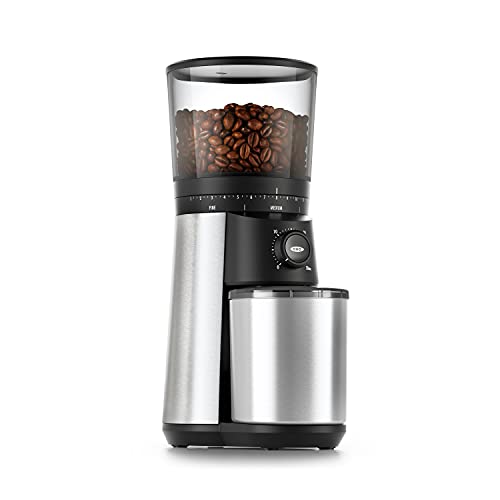 #2
#2
Runner Up
OXO Brew Conical Burr Coffee Grinder - Silver, Stainless Steel Burrs, One-Touch Automatic Smart Grind
$102.99
Check Price →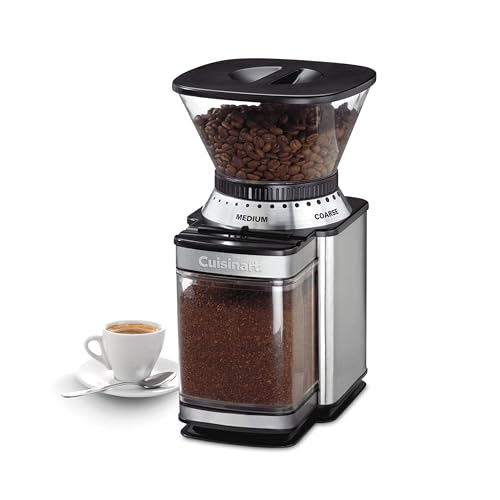 #3
#3
Best Value
Cuisinart Coffee Grinder, Electric One-Touch Automatic Burr Coffee Grinder with 18-Position Grind Selector, Cup Size Selector for 4 – 18 Cups, DBM-8P1, Black Stainless
$53.99
Check Price →⚡ Quick Answer
Table of Contents
Whether you're chasing the perfect shot of espresso or crafting nuanced pour-over brews, your grinder is the cornerstone of great coffee. In 2026, choosing the right grinder involves understanding grind consistency, build quality, and how these factors impact extraction and flavor clarity. A well-chosen grinder unlocks vibrant aromas, balanced acidity, and rich body, transforming your coffee ritual from decent to exceptional.
As a professional passionate about precision brewing, I’ll walk you through essential features, current best options, and practical tips to ensure you get maximum value and performance from your purchase. Your journey to better coffee starts with the right grind—and that begins here.
Our Top Picks in Detail
Affiliate disclosure: if you buy through these links, we may earn a commission at no extra cost to you.
Gevi 10-Cup Drip Coffee Maker with Built-in Grinder, Programmable Brew Coffee Machine with Timer, Reusable Filter, 1.5L Water Tank, Coffee Pot, Warming Plate Burr Grinder Combo
$139.99Check Price →This is the pick to look at first if you want a reliable, well-rounded option that handles everyday use without unnecessary compromises. Gevi 10-Cup Drip Coffee Maker with Built-in Grinder, Programmable Brew Coffee Machine with Timer, Reusable Filter, 1.5L Water Tank, Coffee Pot, Warming Plate Burr Grinder Combo delivers solid performance across the features that matter most in this category.
OXO Brew Conical Burr Coffee Grinder - Silver, Stainless Steel Burrs, One-Touch Automatic Smart Grind
$102.99Check Price →If the top pick doesn't quite fit your situation, OXO Brew Conical Burr Coffee Grinder - Silver, Stainless Steel Burrs, One-Touch Automatic Smart Grind is worth a close look as a capable alternative that still covers the essentials well.
Cuisinart Coffee Grinder, Electric One-Touch Automatic Burr Coffee Grinder with 18-Position Grind Selector, Cup Size Selector for 4 – 18 Cups, DBM-8P1, Black Stainless
$53.99Check Price →For buyers who want the most for their money without sacrificing the features that actually matter, Cuisinart Coffee Grinder, Electric One-Touch Automatic Burr Coffee Grinder with 18-Position Grind Selector, Cup Size Selector for 4 – 18 Cups, DBM-8P1, Black Stainless is the practical choice at this price point.
Why Your Grinder Matters
The quality of your grinder directly influences extraction, flavor clarity, and consistency. A uniform grind ensures that each coffee particle produces similar resistance during extraction, leading to a more balanced and flavorful cup. Inconsistent grinds—particularly those with uneven particle sizes—cause channeling and under/over-extraction, resulting in flat, sour, or bitter tastes.
Beyond extraction, grind consistency affects the sensory experience: a bright, complex espresso relies on precise grind fineness, while pour-over or cold brew benefits from a controlled particle size to optimize extraction time and flavor profile. Investing in a grinder with sharp, durable burrs and proper adjustment mechanisms set the foundation for elevating every brew.
Types of Coffee Grinders
There are primarily two categories of grinders: blade and burr. Blade grinders use spinning blades to chop coffee beans but lack precision, often producing uneven grinds and inconsistent extraction. They're affordable but not ideal for serious coffee crafting.
Burr grinders—either flat or conical—are the industry standard for consistent particle size. They crush beans between two burrs, creating uniform grounds. Conical burr grinders are typically quieter and generate less heat, preserving bean freshness, and are often more forgiving at finer settings. Flat burrs tend to produce more uniform grind distributions and are preferred for espresso due to their precision and ability to maintain tight control over grind size.
Key Features to Consider in 2026
When evaluating grinders, focus on grind consistency, burr material, motor power, and adjustability:
- Burr Material: Steel burrs are durable and affordable; ceramic burrs resist heat buildup and can provide cleaner cuts. For longevity and minimal heat transfer, high-end grinders often feature stainless steel or carbide burrs.
- Grind Settings & Adjustability: Stepless grind adjustment lets you fine-tune particle size seamlessly, crucial for dialing in shots. Click settings are more convenient but less precise.
- Motor Power & Grinding Speed: A powerful motor reduces heat and noise while speeding up grinding. Look for grinders with at least 150-200 watts for home use; commercial models exceed this comfortably.
- Build Materials & Durability: Heavy-duty metal bodies and well-constructed internal parts enhance longevity. Avoid flimsy plastic components that can wear out or cause misalignments over time.
Grind Setting & Dialing-In Tips
Achieving the perfect grind requires patience and fine adjustment. When dialing in for espresso, start at a medium-fine setting and incrementally adjust by small fractions—often a quarter turn—until you reach extraction of approximately 25-30 seconds per shot with the desired flavor profile. For pour-over or cold brew, adjust to coarser settings; consistency is key here to prevent over- or under-extraction.
Always crush beans fresh and use a consistent dose for each brew. Keep notes on grind settings related to your specific beans, espresso machine, or brewing method. Slight variations in roast level or bean origin can dramatically influence optimal grind size.
Value & Build Quality
Investing in a grinder that strikes a balance between build quality and cost is crucial. Premium materials, such as stainless steel burrs and metal housings, contribute to longevity, quiet operation, and consistent performance. While high-end grinders command a higher upfront cost, they often provide more precise control and durability, translating to better results over time.
For everyday use, a mid-range grinder with solid burrs and stepless adjustments offers excellent value—delivering sharp, consistent grounds for both espresso and brewing methods without breaking the bank. Remember, a poorly made grinder may save money initially but can compromise your coffee's flavor and lead to costly replacements or repairs.
Making Your Best Choice in 2026
By now, you're equipped with the knowledge to identify grinders that suit your brewing method, taste preferences, and budget. Prioritize grind consistency, durable build, and precise adjustment capabilities to ensure your espresso shots are rich, balanced, and expressive—layers of nutty, caramel, and berry notes that dance on your palate.
Don't rush—test different models if possible, and consider long-term support and warranty. Remember, a good grinder is an investment in your daily coffee ritual and overall enjoyment. As technology progresses, newer models often come with smarter features like digital controls, better heat dissipation, and integrated dosing systems—spaces to explore based on your passion and commitment to quality.
The perfect grind is the foundation—nurture it, and your espresso or brew will reward you with clarity, sweetness, and vibrant complexity. Happy grinding!
Frequently Asked Questions
1. Should I buy a burr or blade grinder for espresso?
Always opt for a burr grinder for espresso. The uniform particle size produced by burrs ensures better extraction, flavor clarity, and consistency, which blade grinders cannot reliably provide.
2. How often should I clean my grinder?
Regular cleaning is essential—ideally, after every 1-2 weeks of daily use. Use a brush or grinder cleaning tablets to remove residual oils and coffee particles that can affect taste and grinding performance.
3. What's the benefit of stepless adjustment?
Stepless adjustments allow for infinitely fine tuning of grind size, giving you greater control over extraction parameters and helping dial in the perfect shot or brew method with precision.
4. How important is burr material?
Getting durable burrs like stainless steel or carbide ensures consistent grind quality and longevity. Ceramic burrs can offer quieter operation and heat resistance but may be more brittle over time.
5. Can I use a home grinder for commercial purposes?
While some high-end home grinders can handle occasional small-volume commercial use, most are designed for personal use. For high-volume commercial settings, dedicated commercial grinders with higher wattage and robust build are recommended.
Choosing the right coffee grinder in 2026 means understanding your brewing demands and investing in quality that pays off through richer flavor, greater consistency, and an overall more enjoyable coffee experience. Remember, a great grind is the secret ingredient behind every satisfying, aromatic cup. Happy brewing!


