

How to Choose the Right Manual Espresso Makers
⚡ Quick Answer
If you’re passionate about brewing espresso from scratch, a high-quality manual espresso maker can unlock a new level of flavor, control, and satisfaction in your daily ritual. Unlike automatic machines, manual options demand a keen understanding of grind size, tamping, and extraction timing, but they reward you with a shot that’s rich, complex, and vibrant—notes of caramel, dark chocolate, and subtle fruity brightness that dance on your palate. Selecting the right manual device isn’t just about price or brand; it’s about matching build quality, ease of use, and mechanical precision to your brewing style and goals.
Table of Contents
Whether you're an aspiring barista or a seasoned enthusiast seeking the perfect shot, understanding the nuances of manual espresso makers will help you invest wisely and elevate your home espresso experience. From the materials that influence heat retention to the ease of dialing in grind consistency, every choice impacts the shot quality and your overall satisfaction.
Our Top Picks in Detail
Affiliate disclosure: if you buy through these links, we may earn a commission at no extra cost to you.
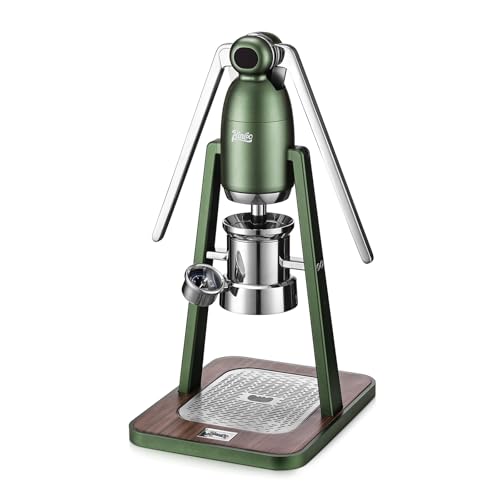
Bincoo Manual Espresso Maker Set - Hand Press Espresso Machine – 12Bar Pressure Profiling, Dual-Lever Manual Coffee Maker with Pre-Infusion, Portable for Custom Espresso Shots, Stainless Steel
$469.99Check Price →This is the pick to look at first if you want a reliable, well-rounded option that handles everyday use without unnecessary compromises. Bincoo Manual Espresso Maker Set - Hand Press Espresso Machine – 12Bar Pressure Profiling, Dual-Lever Manual Coffee Maker with Pre-Infusion, Portable for Custom Espresso Shots, Stainless Steel delivers solid performance across the features that matter most in this category.

Flair UPDATED PRO 3 (Black) - All manual lever espresso maker with a stainless steel brew head, pressure gauge, and a shot mirror
$260.0Check Price →If the top pick doesn't quite fit your situation, Flair UPDATED PRO 3 (Black) - All manual lever espresso maker with a stainless steel brew head, pressure gauge, and a shot mirror is worth a close look as a capable alternative that still covers the essentials well.
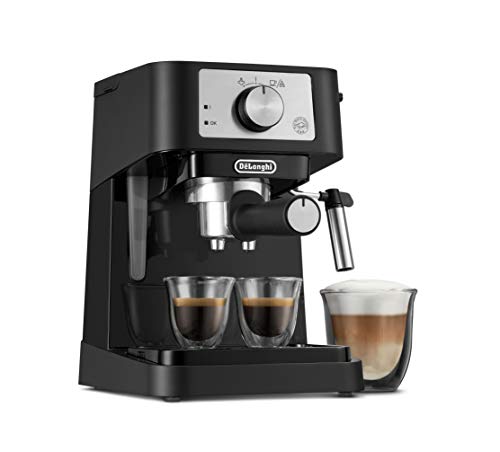
De'Longhi Stilosa Manual Espresso Machine, Compact Coffee Maker, 15 Bar Pump Pressure, Manual Milk Frother Steam Wand for Authentic Single & Double Espresso, Lattes & Cappuccinos, Tamper Included
$149.95Check Price →For buyers who want the most for their money without sacrificing the features that actually matter, De'Longhi Stilosa Manual Espresso Machine, Compact Coffee Maker, 15 Bar Pump Pressure, Manual Milk Frother Steam Wand for Authentic Single & Double Espresso, Lattes & Cappuccinos, Tamper Included is the practical choice at this price point.
Understanding Types of Manual Espresso Makers
Manual espresso makers come primarily in two formats: lever-driven devices and piston-based portafilter presses. Lever machines, like the classic Lucca or E61-inspired models, rely on a spring-loaded or direct lever action that, when pulled, employs mechanical advantage to generate high pressure—up to 9 bars—matching commercial standards. They often feature a heat-retentive metal body, crucial for stable extraction temperatures, and allow for nuanced control through the lever stroke. These are ideal for those who want a connected, tactile brewing experience and enjoy mastering technique.
Piston-based models, such as handheld piston presses or manually operated portafilters, are more compact and tend to be simpler to operate. They often mimic the workflow of a traditional espresso machine but on a smaller scale. While generally easier for beginners, achieving optimal control over pressure and extraction can sometimes be trickier due to less mechanical leverage. Your choice hinges on how much control you desire and the physical effort you’re willing to invest during each shot.
Build Materials and Durability
Material quality dictates not just longevity but also thermal stability, which directly influences shot consistency. High-end manual espresso makers utilize stainless steel, brass, or aluminum for their boilers and main components—these materials retain and transfer heat reliably, ensuring your coffee grounds stay at an optimal brewing temperature. Brass, in particular, offers excellent thermal conduction but requires proper sealing and corrosion resistance.
Plastic components are common in entry-level or portable models; while lightweight and affordable, they may compromise durability and temperature stability over time. For serious home baristas, investing in a machine with a solid metal construction provides peace of mind and more consistent shots over years of use. Remember, a sturdy build helps maintain pressure stability during extraction, resulting in a crema-rich, aromatic espresso with a balanced body and nuanced flavor profile.
Ease of Use and Learning Curve
Manual espresso makers vary widely in their learning curves. Lever machines demand more technique—mastering lever leverage point, timing, and consistent tamping to dial in shot parameters. Initial attempts may yield under-extracted, sour, or weak espresso until you get the hang of adjusting grind size, dose, and lever pressure. However, once dialed in, they offer exceptional control over extraction nuances and a rewarding sensory experience with each shot—think deep, velvety richness and layered complexity.
Portable piston devices or push-button piston models tend to be more straightforward but may sacrifice some control. They’re perfect for those new to espresso or anyone seeking quick, consistent results with minimal fuss. The key is setting a proper grind and tamp, then applying steady, confident pressure—always aiming for a shot with a rich, dark crema that carries aromatic notes of roasted nuts and caramel.
Precision and Control Features
The best manual espresso makers offer features that facilitate fine-tuning. Look for tools like adjustable lever stops, pressure gauges, or built-in flow control valves. These allow you to monitor and adjust extraction parameters, locking in that perfect balance of sweetness, acidity, and body. A device with a well-calibrated lever stroke can produce consistent pressure, critical for creating a rich crema with tender, caramel-like flavors and nuanced aromatics.
Some models enable micro-adjustments to the lever movement—an invaluable feature for experimenting with different beans or roast levels. The ability to apply varying pressure during extraction can help highlight brighter fruity notes or deepen chocolatey undertones. Ultimately, precision controls empower you to develop a deeper understanding of how grind size, tamping pressure, and water flow interrelate.
Value and Long-Term Investment
Investing in a quality manual espresso maker is about more than initial cost; it’s about the value of consistent, delicious espresso for years. Cheaper models may fit your budget upfront but often compromise on durability, heat retention, or control, leading to frustrating results and frequent replacements. Conversely, a well-built, robust manual machine made from durable materials offers superior shot quality over time and becomes a meaningful part of your coffee journey.
Consider the overall craftsmanship, availability of replacement parts, and ease of maintenance. A machine with simple disassembly for cleaning, especially of critical parts like the portafilter or gasket, saves time and preserves performance. Remember, the best value comes from a device that matches your skill level, encourages learning, and produces consistently excellent espresso—saving both money and coffee beans in the long run.
Making Your Final Choice
Choosing the right manual espresso maker hinges on your personal brewing style, technical comfort, and espresso goals. Reflect on whether you’re after a hands-on, craft-focused experience or a more straightforward, reliably consistent shot. Evaluate build quality, materials, and control features—these details determine your ability to perfect each extract and truly enjoy the sensory symphony of a well-made espresso.
Start by identifying your priorities: Do you crave tactile engagement and control over every parameter, or do you prefer ease and speed? Once you define your scope, select a device that aligns with your skill level and aspirations. With patience, practice, and a well-chosen manual espresso maker, you’ll unlock flavors and aromas that elevate your coffee craft every day.
Frequently Asked Questions
Are manual espresso makers suitable for beginners?
Yes, but they require patience and learning. Simpler piston models are more accessible, while lever machines demand mastering technique. The key is to start with understanding grind size, tamping, and timing, then gradually refine your skills for better shots.
What materials should I look for in a quality manual espresso maker?
Prioritize stainless steel or brass components for durability and heat retention. A sturdy metal body ensures stable temperature control, resulting in richer, more balanced espresso with a glossy, thick crema.
How important is the pressure control feature?
Very important. Precise pressure control allows you to fine-tune extraction, balancing acidity and sweetness, and producing a crema that’s velvety and fragrant. Features like adjustable lever stops or flow valves help achieve this control.
Can manual espresso makers produce cafe-quality shots?
Absolutely. With proper technique, consistent grind, and patience, a high-quality manual device can deliver shots rivaling commercial equipment—rich, complex, and full of aromatic oils.
Is a more expensive manual espresso maker really better?
Generally, yes. Higher-end models tend to have better materials, heat stability, and control features, enabling consistent extraction and a more satisfying brewing experience that’s worth the investment.
Choosing the right manual espresso maker is an art rooted in understanding your preferences and technical requirements. By focusing on build quality, control, and your own brewing journey, you’ll unlock the full potential of your coffee beans and create espresso that truly sings with flavor. Dive in, experiment, and savor the craft of manual espresso—your palate will thank you.


