

How to Choose the Right Cold Brew Equipment
⚡ Quick Answer
Crafting perfect cold brew coffee is both an art and a science. When selecting your equipment, you're investing in the clarity, complexity, and smoothness that make cold brew so uniquely flavorful. From grind consistency to extraction nuances, the right gear ensures your brew is vibrant, balanced, and tailor-made to your taste buds.
Understand that the choices you make—from the vessel to the grind size—impact the final cup profoundly. Whether you're a home enthusiast or setting up a small café, choosing cold brew equipment that aligns with your volume needs, space, and quality standards will elevate your coffee experience from good to exceptional.
Table of Contents
Our Top Picks in Detail
Affiliate disclosure: if you buy through these links, we may earn a commission at no extra cost to you.

BTaT- 1 Gallon Cold Brew Coffee Maker, Thick Glass Pitcher with Stainless Steel Filter, Lid & Spigot, Iced Coffee & Sun Tea Brewer, Large Mason Jar Cold Brew Container, Fast Iced Tea Maker for Fridge
$28.85Check Price →This is the pick to look at first if you want a reliable, well-rounded option that handles everyday use without unnecessary compromises. BTaT- 1 Gallon Cold Brew Coffee Maker, Thick Glass Pitcher with Stainless Steel Filter, Lid & Spigot, Iced Coffee & Sun Tea Brewer, Large Mason Jar Cold Brew Container, Fast Iced Tea Maker for Fridge delivers solid performance across the features that matter most in this category.
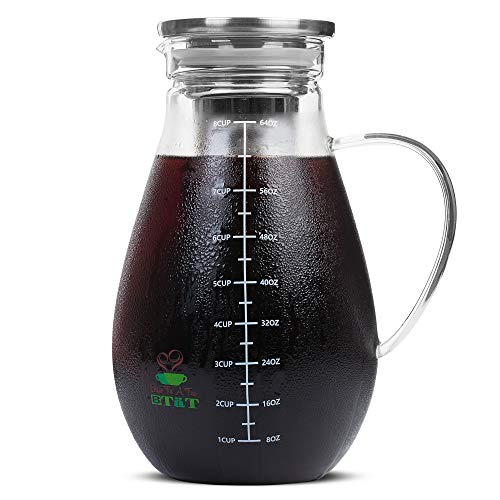
BTaT- Cold Brew Coffee Maker, Iced Coffee Maker, 2 Liter (2 Quart, 64 oz), Iced Tea Maker, Cold Brew Maker, Tea Pitcher, Coffee Accessories, Iced Tea Pitcher, Cold Brew System, Cold Brew Pitcher
$23.99Check Price →If the top pick doesn't quite fit your situation, BTaT- Cold Brew Coffee Maker, Iced Coffee Maker, 2 Liter (2 Quart, 64 oz), Iced Tea Maker, Cold Brew Maker, Tea Pitcher, Coffee Accessories, Iced Tea Pitcher, Cold Brew System, Cold Brew Pitcher is worth a close look as a capable alternative that still covers the essentials well.
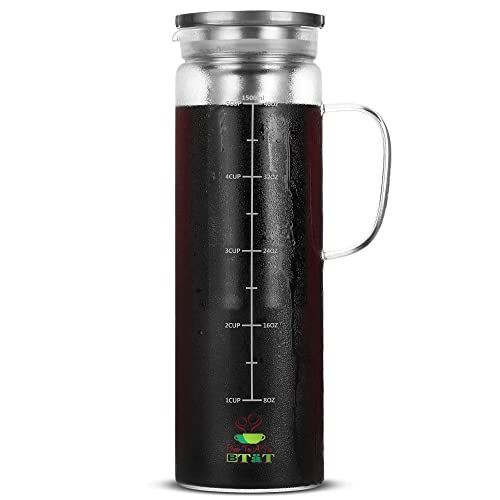
BTaT- Cold Brew Coffee Maker, 1.5 Quart,48 oz Iced Coffee Maker, Iced Tea Maker, Airtight Cold Brew Pitcher, Coffee Accessories, Cold Brew System, Cold Tea Brewing, Coffee Gift
$22.99Check Price →For buyers who want the most for their money without sacrificing the features that actually matter, BTaT- Cold Brew Coffee Maker, 1.5 Quart,48 oz Iced Coffee Maker, Iced Tea Maker, Airtight Cold Brew Pitcher, Coffee Accessories, Cold Brew System, Cold Tea Brewing, Coffee Gift is the practical choice at this price point.
Understanding Cold Brew Basics
Cold brew coffee is made by steeping coarsely ground beans in cold or room temperature water for 12-24 hours. This slow process extracts a rich, low-acid coffee that boasts subtle complexity, smooth body, and naturally sweet notes. The equipment you choose influences everything from clarity and strength to sediment levels and convenience.
Knowing the fundamentals—such as steeping time, grind size, and filtration—serves as the foundation for selecting the right equipment. A well-designed setup minimizes sediment, maximizes flavor extraction, and offers ease of use, ensuring your cold brew recipe consistently hits that perfect balance between boldness and smoothness.
Equipment Types & Key Considerations
Cold brew equipment spans a broad spectrum—from simple jars to specialized commercial systems. Key considerations include volume capacity, material durability, ease of cleaning, and filter quality. Each setup can impact the final flavor profile and operational efficiency.
For home use, a dedicated cold brew maker with integrated filtration provides convenience and consistent results, while larger setups may favor stainless steel or glass vessels for durability and purity. When evaluating options, prioritize build quality and the ability to control steeping parameters precisely.
Selecting the Right Brew Vessel
Choosing the best vessel involves balancing volume needs with ease of operation. Insulated pitchers or tanks with airtight lids help maintain consistent temperatures and prevent contamination. For maximum clarity, opt for glass or stainless steel construction over plastic—these materials resist staining and off-flavors over time.
Some vessels feature built-in filters or infusion chambers, streamlining the process from steep to serve. Consider whether you need a tap for easy pouring or if a simple jar with a wide mouth and a mesh lid will suffice for your volume and convenience preferences.
Grind & Water Ratio: Precision Matters
The coarseness of your grind directly affects extraction speed and clarity. An ideal cold brew grind resembles coarse sea salt—uniform and chunky—preventing fine particles from slipping through filters and resulting in a grit-free cup. Consistency in grind size is vital for reproducible flavor profiles.
Ratio-wise, a typical starting point is 1:4 coffee to water—about 1 ounce of coffee for every 4 ounces of water. Adjusting this ratio influences the brew's strength: more coffee yields a richer, more intense flavor; less water produces a lighter, more delicate profile. Accurate measurement ensures you dial in extraction to your preference.
Filtering & Customization Options
Filtration is critical for achieving a clean, sediment-free cold brew. Many setups feature paper filters, reusable mesh filters, or specialized infuser baskets. The choice depends on your desired clarity and ease of cleanup. Fine filters trap tiny particles, while coarser filters retain more oils, contributing to body and mouthfeel.
For customization, some brewers incorporate infusion chambers for flavor add-ins like vanilla beans or spices, or nitrogen infusion for a creamy, stout-like texture. Experimenting with these variables lets you craft a profile that’s uniquely yours—smooth, sweet, and exceptionally drinkable.
Maintenance & Storage Tips
Proper cleaning extends the lifespan of your equipment and preserves flavor integrity. Rinse vessels thoroughly after each brew and perform periodic deep cleans with warm water and mild detergent. For stainless steel or glass, occasional descaling can help remove mineral build-up, especially if you live in hard water areas.
Store brewed coffee in airtight containers, refrigerated if not consumed immediately, to maintain freshness. Keep your equipment dry and free from mold or bacteria by ensuring all parts are completely dry before storage. Efficient maintenance prevents off-flavors and guarantees your next batch is just as crisp and vibrant as the first.
Frequently Asked Questions
What’s the best cold brew container for high-volume brewing?
Look for stainless steel or BPA-free plastics with robust construction and insulated features to prevent temperature fluctuation and preserve clarity.
How important is grind size for cold brew?
Extremely important! A coarse, consistency grind—similar to sea salt—maximizes extraction rate, prevents over-extraction, and yields a smooth, full-bodied cup with minimal sediment.
Can I use a regular coffee maker for cold brew?
Not ideally. Cold brew requires a slow steeping process that regular hot brewing machines can't replicate. Specialized equipment ensures proper steeping and filtration.
What’s the benefit of nitrogen infusion in cold brew?
Nitrogen adds a creamy, frothy mouthfeel and enhances the coffee’s natural sweetness and body, much like a stout beer—ideal if you prefer a barista-quality experience at home.
How do I maintain my cold brew equipment?
Regular cleaning with warm water and mild soap, descaling if necessary, and ensuring proper storage will keep your gear in peak condition and prevent off-flavors.
In summary, selecting the right cold brew equipment hinges on understanding your volume, your flavor goals, and how much effort you want to put into maintenance. By choosing high-quality vessels, maintaining consistency in grind and ratios, and paying attention to filtration and cleaning, you'll unlock the fullest expression of your coffee’s nuanced palate. Your next cold brew masterpiece is just a setup away—happy brewing!


