

Cold Brew Equipment Buying Guide: What to Look For in 2026
🏆 Top Picks at a Glance
 #1
#1
Best Overall
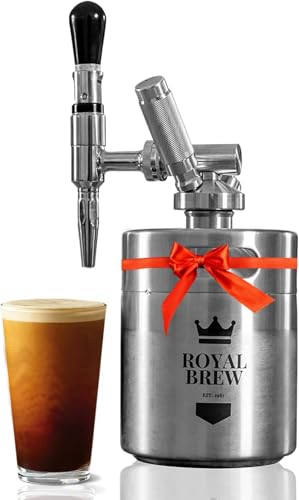
The Original Royal Brew Nitro Cold Brew Coffee Maker - Gift for Coffee Lovers - 64 oz Home Keg, Nitrogen Gas System Coffee Dispenser Kit
$79.99
Check Price → #2
#2
Runner Up
BTaT- 1 Gallon Cold Brew Coffee Maker, Thick Glass Pitcher with Stainless Steel Filter, Lid & Spigot, Iced Coffee & Sun Tea Brewer, Large Mason Jar Cold Brew Container, Fast Iced Tea Maker for Fridge
$27.99
Check Price →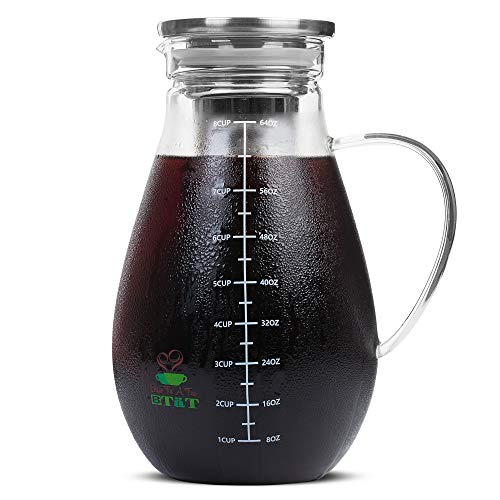 #3
#3
Best Value
BTaT- Cold Brew Coffee Maker, Iced Coffee Maker, 2 Liter (2 Quart, 64 oz), Iced Tea Maker, Cold Brew Maker, Tea Pitcher, Coffee Accessories, Iced Tea Pitcher, Cold Brew System, Cold Brew Pitcher
$23.99
Check Price →⚡ Quick Answer
Table of Contents
As the cold brew craze continues to grow in both home kitchens and specialty cafes, selecting the right equipment becomes more critical than ever. The difference between a syrupy, under-extracted brew and one that offers bright, nuanced flavor with a velvety body often boils down to your gear. Whether you're a seasoned barista or a home enthusiast, understanding what to prioritize—grind consistency, extraction control, build quality, and value—can dramatically elevate your cold brew game.
In this guide, I’ll walk you through the essential considerations for investing in cold brew equipment in 2026. From choosing the perfect steeping vessel to understanding the nuances of filtration and storage, you'll gain the insights needed to craft cold brews that are rich, smooth, and bursting with flavor—every single time.
Our Top Picks in Detail
Affiliate disclosure: if you buy through these links, we may earn a commission at no extra cost to you.
The Original Royal Brew Nitro Cold Brew Coffee Maker - Gift for Coffee Lovers - 64 oz Home Keg, Nitrogen Gas System Coffee Dispenser Kit
$79.99Check Price →This is the pick to look at first if you want a reliable, well-rounded option that handles everyday use without unnecessary compromises. The Original Royal Brew Nitro Cold Brew Coffee Maker - Gift for Coffee Lovers - 64 oz Home Keg, Nitrogen Gas System Coffee Dispenser Kit delivers solid performance across the features that matter most in this category.
BTaT- 1 Gallon Cold Brew Coffee Maker, Thick Glass Pitcher with Stainless Steel Filter, Lid & Spigot, Iced Coffee & Sun Tea Brewer, Large Mason Jar Cold Brew Container, Fast Iced Tea Maker for Fridge
$27.99Check Price →If the top pick doesn't quite fit your situation, BTaT- 1 Gallon Cold Brew Coffee Maker, Thick Glass Pitcher with Stainless Steel Filter, Lid & Spigot, Iced Coffee & Sun Tea Brewer, Large Mason Jar Cold Brew Container, Fast Iced Tea Maker for Fridge is worth a close look as a capable alternative that still covers the essentials well.
BTaT- Cold Brew Coffee Maker, Iced Coffee Maker, 2 Liter (2 Quart, 64 oz), Iced Tea Maker, Cold Brew Maker, Tea Pitcher, Coffee Accessories, Iced Tea Pitcher, Cold Brew System, Cold Brew Pitcher
$23.99Check Price →For buyers who want the most for their money without sacrificing the features that actually matter, BTaT- Cold Brew Coffee Maker, Iced Coffee Maker, 2 Liter (2 Quart, 64 oz), Iced Tea Maker, Cold Brew Maker, Tea Pitcher, Coffee Accessories, Iced Tea Pitcher, Cold Brew System, Cold Brew Pitcher is the practical choice at this price point.
Understanding Cold Brew Basics
Cold brew extraction involves steeping coarsely ground coffee in cold water over an extended period, typically 12 to 24 hours. The slow, low-temperature process extracts a complex profile of coffee solvables—resulting in a smooth, less acidic cup with deep chocolate, caramel, and fruit notes. The quality of your equipment dramatically influences clarity, body, and flavor integrity. High-quality gear ensures consistent grind calibration, reliable steeping temperatures, and effective filtration—keys to capturing the delicate nuances of your favorite beans.
Essential Cold Brew Equipment
At the core, you need a good steeping vessel, filtration system, and storage container. While some may look for all-in-one solutions, dedicated equipment focused on precision yields better results. Pay attention to build materials—stainless steel and BPA-free plastics ensure durability and safety. Also, consider scalability depending on your consumption volume—home brewers might opt for smaller batches, while cafes require larger capacity gear.
Brew Vessels & Steeping Containers
The vessel where you steep your coffee is foundational. A well-designed vessel should promote even water flow around the coffee grounds, with a tight seal to prevent contamination or spoilage. Many modern options feature double-walled insulation to maintain consistent temperature, even if your kitchen experiences temperature fluctuations.
Filtration & Dilution
Gravity-based filters, reusable mesh bags, or dedicated coffee filters are all tools to clarify your cold brew. Fine filtration is essential for removing fine grounds and ensuring a clean, crisp cup. Some brewers prefer activated charcoal or specialty paper filters to improve clarity further. Once brewed, many spot-on brewers recommend diluting with cold or sparkling water, depending on taste preference and desired strength. High-quality filters help preserve natural flavors without introducing off-flavors from poor filtration materials.
Storage & Shelf Life
Proper storage extends the freshness and flavor of your cold brew. Airtight, non-reactive containers (glass or stainless steel) preserve flavor and prevent oxidation. For the best experience, keep your cold brew refrigerated at or below 40°F (4°C) and consume within 1-2 weeks—while some premium brews may stretch longer, the flavors often degrade over time. Investing in a dedicated cold-brew carafe with insulation helps maintain optimum temperature during serving.
Buying Tips & What to Look For in 2026
When selecting your cold brew setup, prioritize durability and build quality—think stainless steel, glass, and BPA-free plastics. Consistent extraction depends on even water flow and effective insulation. Advanced brewers feature adjustable steeping times, temperature control, and integrated filters—these are worth the investment if you're seeking repeatable excellence. Consider your volume needs—small batch or large commercial operations—and pick equipment that scales accordingly.
Frequently Asked Questions
Can I use my existing coffee grinder for cold brew?
Yes, but a burr grinder that produces consistent, coarse grounds is ideal. Uniform grind size ensures even extraction and maximizes flavor. Avoid blade grinders, as they produce uneven grounds that can cloud your brew.
What’s the best material for a cold brew vessel?
Stainless steel and high-quality BPA-free plastics are excellent choices due to durability and inertness. Glass is also suitable but can be fragile. Insulated vessels help maintain temperature stability for longer steeping periods.
How long should I steep my cold brew?
Most recipes recommend 12–24 hours at room temperature or refrigerated. Longer steeping yields a stronger, more concentrated brew, but be cautious of over-extraction which can introduce bitterness.
What filtration methods produce the clearest cold brew?
Double filtration—using a reusable mesh bag combined with a fine paper filter—delivers a clean, crisp cup. For commercial setups, multi-stage filtration systems with activated charcoal can enhance clarity and flavor stability.
How do I store my cold brew for maximum freshness?
Use airtight, non-reactive containers—preferably glass or stainless steel—to prevent oxidation and preserve flavor. Keep refrigerated and consume within 1–2 weeks for optimal freshness and flavor integrity.
Conclusion
Choosing the right cold brew equipment in 2026 hinges on understanding your brewing scale, desired flavor clarity, and durability needs. Investing in quality gear—such as insulated vessels, precise filtration, and reliable storage solutions—will elevate your cold brew to a professional level. With the right setup, you’ll unlock a world of rich, smooth, and vibrant coffee that’s perfect for any occasion. Now’s the time to refine your equipment arsenal and start brewing with confidence!
Top Picks
Affiliate disclosure: if you buy through these links, we may earn a commission at no extra cost to you.
The Original Royal Brew Nitro Cold Brew Coffee Maker - Gift for Coffee...
$79.99
View Product Details →BTaT- 1 Gallon Cold Brew Coffee Maker, Thick Glass Pitcher with Stainless...
$27.99
View Product Details →BTaT- Cold Brew Coffee Maker, Iced Coffee Maker, 2 Liter (2 Quart, 64 oz),...
$23.99
View Product Details →

