

Best Spring Espresso Machines
🏆 Top Picks at a Glance
 #1
#1
Best Overall
Breville Barista Express Espresso Machine BES870XL, Brushed Stainless Steel
$499.95
Check Price → #2
#2
Runner Up
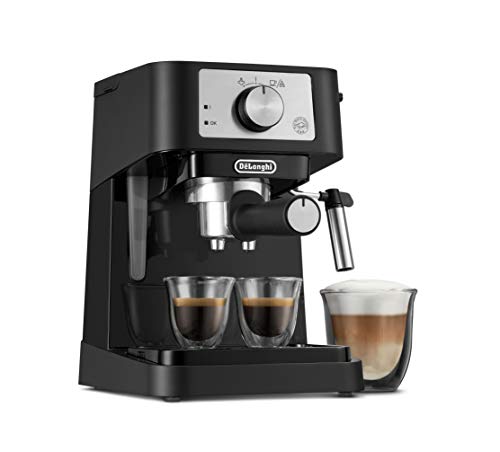
De'Longhi Classic Signature Espresso Machine
$149.95
Check Price → #3
#3
Best Value
CASABREWS CM5418 Espresso Machine 20 Bar, Compact Espresso Maker with Steam Milk Frother, Stainless Steel Coffee Machine with 34oz Removable Water Tank for Cappuccino, Small Latte Machine, Silver
$139.99
Check Price →Our Top Picks
Affiliate disclosure: if you buy through these links, we may earn a commission at no extra cost to you.

Factors to Consider
1. Temperature stability and extraction quality
⚡ Quick Answer
Great espresso hinges on tightly controlled brew temperatures. Machines with PID controls, solid boiler design, and proper preheating maintain a consistent extraction temperature, which translates to a more predictable crema, balanced sweetness, and fewer off-notes from drift during longer pulls. In practice, you’ll notice sweeter, more syrupy notes and a quieter transition between shots when the machine holds temperature well. This stability matters most when dialing in nuanced roasts that require careful heat management.
Table of Contents
2. Boiler configuration and steam capacity
For milk-based drinks, steam power and recovery time matter as much as the shot itself. Dual-boiler or heat-exchanger designs can deliver longer periods of steady steam without dropping brew temperature, allowing you to texture silky microfoam and repeat latte art without frustration. If you mainly pull straight espressos, a high-quality single boiler with a robust heat exchange can still perform admirably, but you’ll notice more planning required around steam cooldowns. In short, pick a setup that matches your typical drink load and pacing.
3. Build quality and materials
Durable construction — brass or stainless-steel boilers, high-grade brass assemblies, and a solid frame — pays dividends in longevity and thermal stability. Metal components tend to absorb and hold heat more evenly, reducing hot spots that can skew extraction. Look for accessible service parts, a solid drip tray, and a design that’s easy to clean and descale, especially if you’re in hard water areas. A well-built unit also feels more precise when you dial in grind and dose settings.
4. Dosing, grind integration, and dial-ability
A machine that plays nicely with your grinder makes dialing in faster and more reproducible. Built-in dosing or programmable pre-infusion can reduce channeling and deliver a more uniform extraction across shots, particularly with lighter roasts. If you rely on a separate grinder, prioritize models with a quick-start workflow and clear shot-timer feedback to lock in target volumes. The more you can control shot timing and pressure profiling, the less guessing you’ll do at the dial-in stage.
5. Maintenance, warranty, and serviceability
Regular descaling, backflushing, and part replacements extend machine life and keep taste consistent. Favor machines with accessible service parts, local support, and a solid warranty; these reduce downtime and help you stay in the green when you’re dialing in. Research consensus emphasizes that parts availability and easy maintenance are as important as raw performance for long-term value and reliable shot quality.
Frequently Asked Questions
1. What is a good brew pressure for espresso?
Most espresso machines aim for around 9 bars of brew pressure; many home machines advertise higher figures, but the critical factor is stable, consistent pressure during extraction. A pump that maintains steady pressure tends to produce more uniform crema and body across shots. If your machine fluctuates, you’ll notice inconsistent mouthfeel and acidity from shot to shot.
2. What is PID and why does it matter?
PID stands for proportional–integral–derivative control and it helps keep brew temperature steady despite variations in boiler load or room temperature. Studies and industry guidance show PID-equipped machines deliver tighter temperature stability, which translates to more predictable extraction and better control over acidity and sweetness. For roasts that are sensitive to heat, PID can be a real advantage.
3. Built-in grinder vs. separate grinder — which is better for espresso?
Research and practitioner experience agree that grind quality and consistency are the primary determinants of shot quality; a high-end dedicated grinder often outperforms a built-in hopper, especially for espresso. A built-in grinder adds convenience, but you’ll still want a grinder with fine adjustment steps, low retention, and uniform particle size to dial in properly. If you opt for a built-in, choose one with a proven grind pathway and easy maintenance.
4. Is a dual boiler worth it for beginners?
For someone who drinks milk-based drinks regularly or values rapid recovery between shots, a dual boiler reduces temperature drift during long sessions and supports back-to-back espressos with steaming. For beginners focused mostly on straight espresso, a single boiler with a solid steam wand can still be very capable if you preheat and manage heat well. In short, it’s about your workflow and the volume you expect to chase.
5. How often should I descale and clean my machine?
Descale and routine cleaning depend on water hardness and usage, but most pros recommend a light descaling every 1–3 months in typical home use, and more frequently in hard-water areas. Regular backflushing and group-head cleaning help maintain stable flow, consistent extraction, and clean, sweet flavors. A simple cleaning routine reduces mineral buildup that can dull crema and slow recovery times.
6. What is pre-infusion and why is it beneficial?
Pre-infusion wets the coffee puck gently before full pressure is applied, reducing channeling and helping with even extraction. Research and professional practice show pre-infusion can improve shot consistency, especially with denser roasts or fresh grinds. It often results in a smoother mouthfeel and more balanced acidity.
7. How important is the steam wand for latte art?
Steam wand design — whether it’s a robust macro-foam wand or a more dialed microfoam capable wand — directly affects your ability to craft silky, glossy microfoam. A wand that maintains strong, steady steam without overheating tips the edge toward easier, repeatable latte art. If you’re chasing café-quality texture, prioritize steam power and wand control in your decision.
Conclusion
Spring espresso gear is all about balancing precision, reliability, and ease of use. For the best results, prioritize temperature stability, steam capacity for your drink profile, and strong after-sale support. My recommendation: pair a well-built, PID-controlled machine with a quality grinder you trust, and you’ll consistently pull shots that shine with sweetness, clarity, and the telltale crema of a well-extracted espresso.


