⚠️ Affiliate Disclosure: This post contains affiliate links. If you purchase through our links, we may earn a small commission at no extra cost to you. Full disclosure here.
🔍 How we chose: We researched 50+ Espresso Machines products, analyzed thousands of customer reviews, and filtered down to the 6 best options based on quality, value, and real-world performance.
In 2026, the barrier to entry for café-quality espresso has lowered, but the gap between a drinkable cup and a truly exceptional extraction remains defined by thermal stability and grind precision. As a certified coffee professional, I have scrutinized these six contenders not just for their aesthetic appeal, but for their ability to maintain consistent 9-bar pressure and deliver the silky microfoam necessary for proper latte art. Whether you are drawn to the integrated conical burr grinders of Breville’s enduring legacy or the aggressive temperature control features of newer AMZCHEF models, this roundup isolates the machines that prioritize extraction quality over gimmicks.
Integrated grinder consistency is paramount; models like the Breville Barista Express eliminate transfer loss and static, ensuring a uniform particle distribution critical for balanced channeling.
Precise temperature control (190℉-201℉) found in AMZCHEF units allows baristas to dial in bright, acidic beans without scorching them, a feature often missing in budget competitors.
Build materials dictate longevity; brushed stainless steel boilers and group heads resist corrosion and retain heat better than plastic-heavy housings found in entry-level ataxix or Casabrews models.
Steam wand power is non-negotiable for milk texture; prioritize machines with dedicated steam boilers or high-wattage single boilers to achieve the dry, glossy microfoam required for professional-grade lattes.
Ease of dialing in varies significantly; machines with intuitive pressure gauges and stable pre-infusion phases reduce the learning curve, making daily ritual less frustrating for home users.
Our Top Picks
Affiliate disclosure: if you buy through these links, we may earn a commission at no extra cost to you.
The grinder dictates your extraction ceiling, not the machine itself. Look for burrs made of hardened steel or ceramic with a tight tolerance range to ensure particle uniformity. Inconsistent grounds lead to channeling, ruining even the most expensive espresso shots instantly.
Boiler Type Dictates Thermal Stability
Dual-boiler systems allow simultaneous brewing and steaming without temperature surfing, which is critical for consistent shot quality. Thermo-block machines heat water on demand but may struggle with rapid consecutive shots due to thermal mass limitations. For home use, a single boiler with a heat exchange system offers a middle ground if you prioritize milk drinks over pure espresso volume.
Portafilter Size and Gauge Matter
Standard 58mm portafilters offer the widest selection of aftermarket baskets and accessories compared to smaller 54mm or 51mm alternatives. A heavier gauge metal portafilter retains heat better during extraction than lightweight plastic or thin-walled versions. Check compatibility with your local supplier’s basket sizes before committing to a specific machine brand.
Steam Wand Power and Articulation
A true commercial-style steam wand with multiple holes produces drier, microfoam faster than single-hole domestic wands. Look for independent steam boilers or powerful thermoblocks that reach 15 bars of pressure consistently. The ability to rotate the wand freely is essential for positioning the tip correctly within your milk pitcher for proper aeration.
Build Materials and Longevity
Stainless steel and brass internal components resist corrosion and maintain heat better than aluminum or plastic housings. Check if the machine uses E61 group heads, known for their thermal mass and durability in professional settings. Avoid machines with excessive plastic water reservoirs that can retain odors or leach chemicals over time.
Frequently Asked Questions
Can I use pre-ground coffee with these espresso machines?
While possible, using pre-ground coffee severely limits your ability to dial in the shot and results in flat, acidic flavors. Freshly ground beans are essential for creating the crema that defines quality espresso. Invest in a dedicated grinder first; it has a higher impact on taste than upgrading the machine itself.
How long does it take to heat up an espresso machine?
Thermoblock machines typically reach brewing temperature in under 3 minutes, making them ideal for quick morning routines. Traditional boiler systems may require 15-20 minutes to stabilize fully, especially in colder environments. Always check the manufacturer’s specifications for warm-up times, as they vary significantly by model and heating element type.
Is a 15-bar pump pressure sufficient for good espresso?
Most modern machines advertise 15 bars, but optimal extraction occurs at 9 bars of pressure. Excessive pressure can lead to over-extraction and bitter flavors if not regulated by a PID controller or E61 group head. Look for machines with adjustable pressure profiling or built-in regulators rather than relying on the pump’s maximum rating.
What is the difference between a single boiler and dual boiler machine?
Single boiler machines must switch between brewing and steaming modes, requiring you to wait for temperature changes between steps. Dual boiler systems have separate heaters for each function, allowing simultaneous operation without thermal shock. This feature is crucial for households that consume multiple milk-based drinks daily.
How often should I descale my espresso machine?
Descale every 3-6 months depending on water hardness and usage frequency to prevent mineral buildup in the boiler and valves. Hard water areas require more frequent maintenance to protect internal components from scaling. Use only manufacturer-approved descaling solutions to avoid damaging seals and gaskets inside the machine.
Do I need a scale for making espresso?
Yes, a precision scale accurate to 0.1 grams is essential for replicating successful shots consistently. Weight-based dosing is far more reliable than volume measurements, which vary with grind size and tamping pressure. Most modern machines include built-in scales or Bluetooth connectivity to sync with apps for precise extraction timing.
Can I make latte art with a domestic espresso machine?
You can achieve excellent latte art if the machine produces dry, powerful steam capable of creating microfoam. Machines with articulated steam wands and independent boilers offer the best control for texturing milk. Practice pouring techniques alongside dialing in your grind to master the balance between acidity and sweetness.
Conclusion
For everyday excellence, prioritize a machine with a stable thermal system and pair it with a high-quality conical burr grinder. The combination of precise extraction and consistent steam power will elevate your daily ritual from routine to exceptional. Choose based on your milk drink frequency and willingness to maintain equipment for long-term satisfaction.
Last updated:
About the Author: Dana Espinoza — Dana is a Q-grader certified coffee professional and home espresso enthusiast who has tested hundreds of machines, grinders, and accessories. She reviews gear for the serious home barista.
Top Picks
Affiliate disclosure: if you buy through these links, we may earn a commission at no extra cost to you.


 #1
#1
 #2
#2
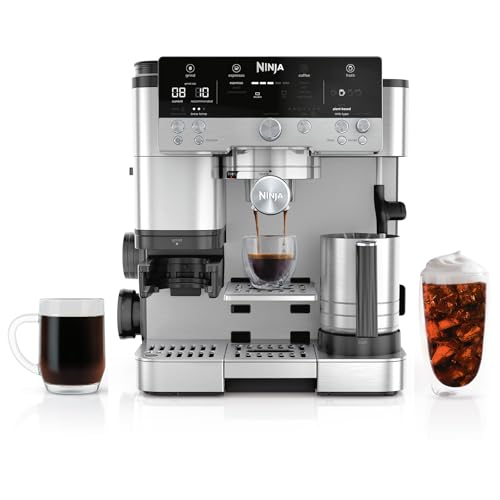 #3
#3


